By Mary Clare Ingram
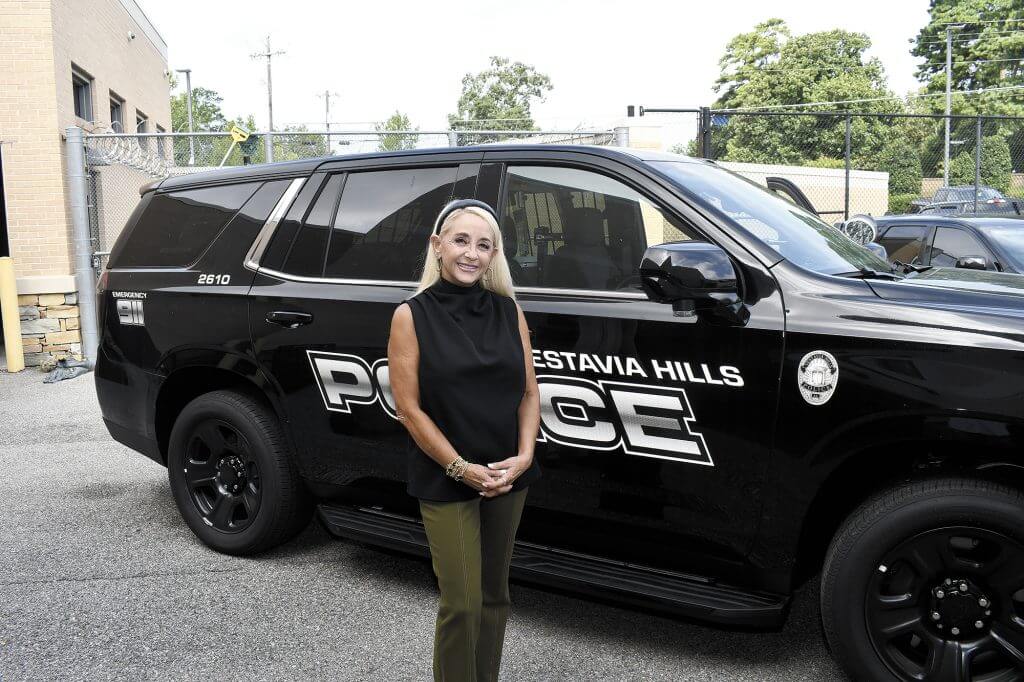
One day Carol Robinson was getting her car repaired when she got a call from the Birmingham News, (now Al.com) saying they wanted to hire her. Forty years later, she is an award-winning senior reporter for the publication covering crime across the state. “If anybody had told me at 22, when I casually accepted that job, that it would become my life’s work, I really don’t think I would have believed them,” she says.
Robinson began her career with the Birmingham News as a correspondent in Southeastern Alabama, then shifted to covering lifestyle at the Birmingham office for two years. She knew she wanted to shift to hard news and began covering everything from crime to schools in the Fairfield, Midfield and Hueytown. Ten years into her career, Robinson became a full-time crime and breaking news reporter, aiming to show compassion to victims and report objective news in a field dominated by social media.
She is a Vestavia Hills native and majored in Public Relations at Auburn. During the summer before her senior year, she was an intern in the University of Alabama at Birmingham’s public relations department and wrote press releases all summer. She knew she enjoyed the writing aspect of the job and won an intern award, solidifying her desire to write. Then, she spent her senior year taking journalism classes, though she says she still wasn’t completely sold on the career. “I just kind of fell into it,” she says.
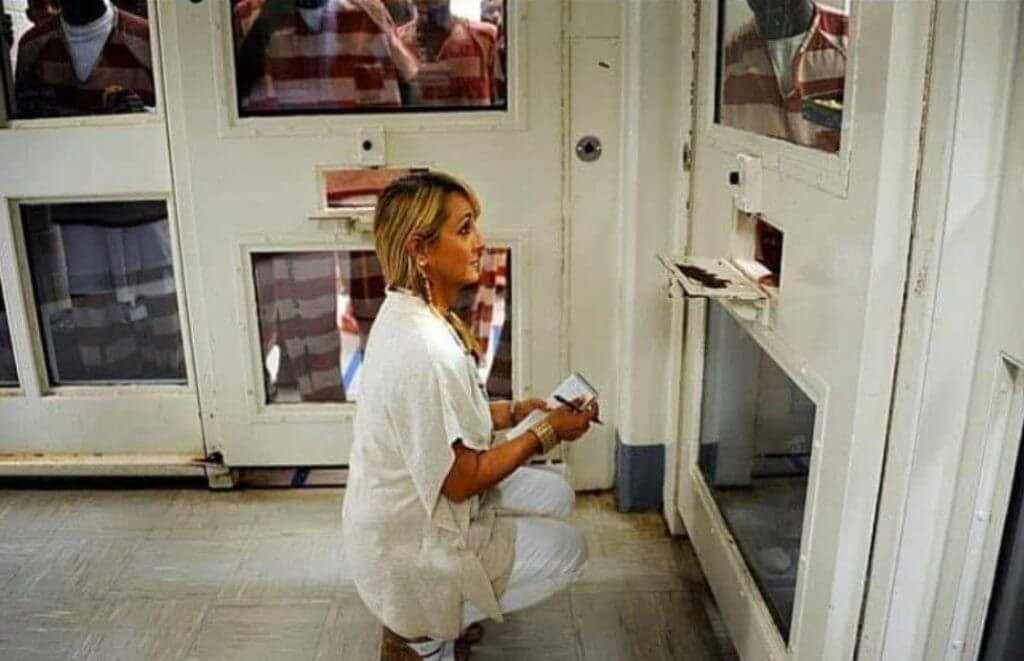
For Robinson, one of the appeals of crime reporting, she says, is that it’s fast-paced. Robinson enjoys the quick turnaround of the reporting she does, keeping her moving. “I’ve listened to a police scanner every day for the majority of 30 years,” she says. She prefers to physically visit scenes to report, even if that means she has to get up at 2 a.m. Her commitment to being on scene in person allows her to gather more information and report more thoroughly, she says.
Another major aspect of her work is the human element. Robinson often talks to victims’ families and loved ones, giving them the opportunity to share the victim’s story. She emphasizes the importance of approaching a family with empathy and compassion, offering the chance to give their loved one a face and a name. Robinson says she has learned the most in her time about balancing the stories she reports with the humans behind them. “You always try to do this with respect and with compassion,” she says. “And I probably asked questions 30 years ago that I wouldn’t ask now, you know?”
Now, she says social media is changing the field of journalism, and breaking news is often released online before reporters know it happened. When she began as a journalist, she says the only way people knew about crimes was through the news. Now, it can be released by anyone. “But on the other side of that, I’m able to get so much more information,” she says.
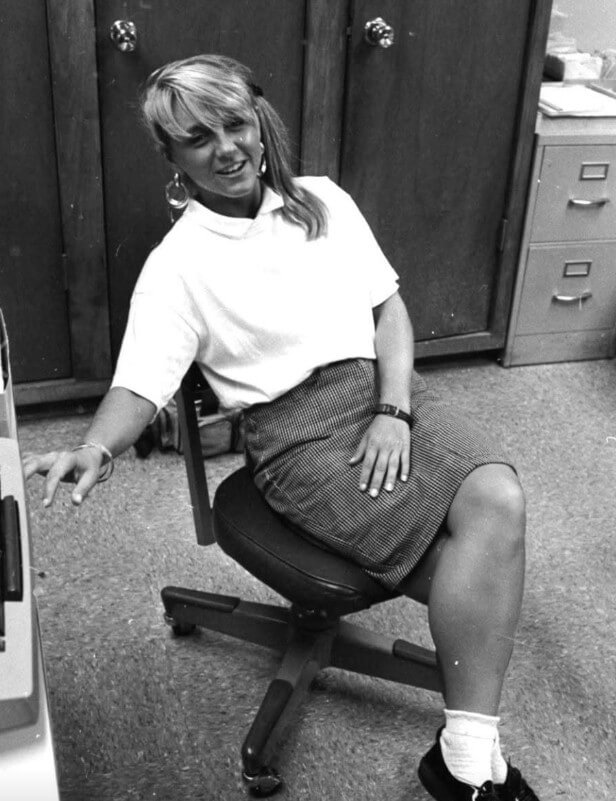
For example, when she began as a journalist, she had to look up the family members of victims in the White Pages. Now she can go on Facebook and likely find them more quickly. Not only does she enjoy the increased access to information she has at this stage in her career, but Robinson says being able to publish articles immediately, rather than waiting for print the next day, is a change she loves.
To balance out the costs and benefits of the changing environment, she works to produce more thorough reporting than social media can, preserving the benefit of reading an article over a social media post. “If I want to keep doing this, I’ve got to change with it,” Robinson says.
Regardless of how her job changes, the most important thing for Robinson is that she is sincere in her work. She says that with clickbait being such a big thing online, she wants people to know that she will never write to get clicks.
Her favorite compliment to receive is when people tell her that she reports objectively, fairly and truthfully, because that’s her goal. “I realize that I have a responsibility and I take that responsibility seriously,” she says.