By Nausicaa Chu
Within a 30-minute radius in the Birmingham region, there are 99 times more jobs available by car than by transit. In a 20-minute radius, that number climbs to 144. In a 10-minute radius, 128.
These statistics, from a 2021 Brookings Institution report, point to an undeniable conclusion: having a car greatly increases one’s chances at finding a job in Birmingham. But for many women who have been incarcerated, addicted to drugs or victims of abuse, a car—which costs thousands of dollars—can be unattainable.
Portraits of Hope, a 501(c)(3) nonprofit organization that helps graduates of the Lovelady Center transition to fully independent lives, aims to change that. Their “25 Women, 25 Cars in 2025” campaign has raised enough money to provide 25 women with $2,000 for a used car. Having a vehicle of their own is a game-changer for the women, who gain access to jobs—as well as schools, hospitals and their families.
“Through Portraits of Hope I was able to purchase a vehicle!” says Amy Ray, a recipient of a Portraits of Hope financial grant, in a letter to the organization. “I can now confidently commute to work at my new job, visit my daughter who lives out of town and serve the Lord in whatever He calls me to do.”
Portraits of Hope was founded to assist graduates from the Lovelady Center, a residential program that provides housing, job training, and counseling services to women. During their nine- to 12-month stay at the center, the women—many of whom were involved in substance use and criminal activities, or experienced domestic violence—receive unparalleled levels of support. But after their graduation, the transition into the outside world can be difficult.
“Being a single mom is hard, and it is especially hard when you do not have help,” says Jennifer Kieffer, a grant recipient, in a letter to Portraits of Hope.
Like Kieffer, many Lovelady graduates go from living in an insulated community to living alone, practically overnight. They need to find new housing, obtain a new job and pay for their childrens’ education. However, without a safety net, some return to the center—a cycle that can repeat, over and over.
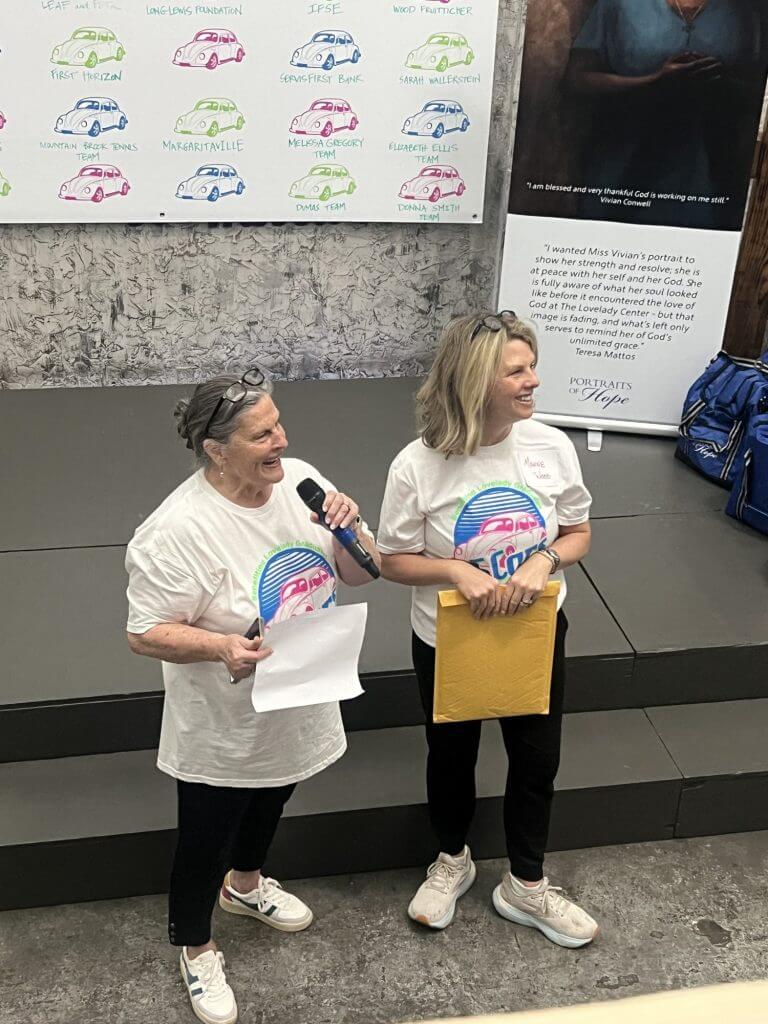
“Some of them have gone through five times,” says Beverley McNeil, founder and Chairman of the Board of Portraits of Hope. “But every time you go back, it’s one more failure, one more time you’ve disappointed your children or your family or you left a job. They get beat down a little bit each time, so we find ways to help them.”
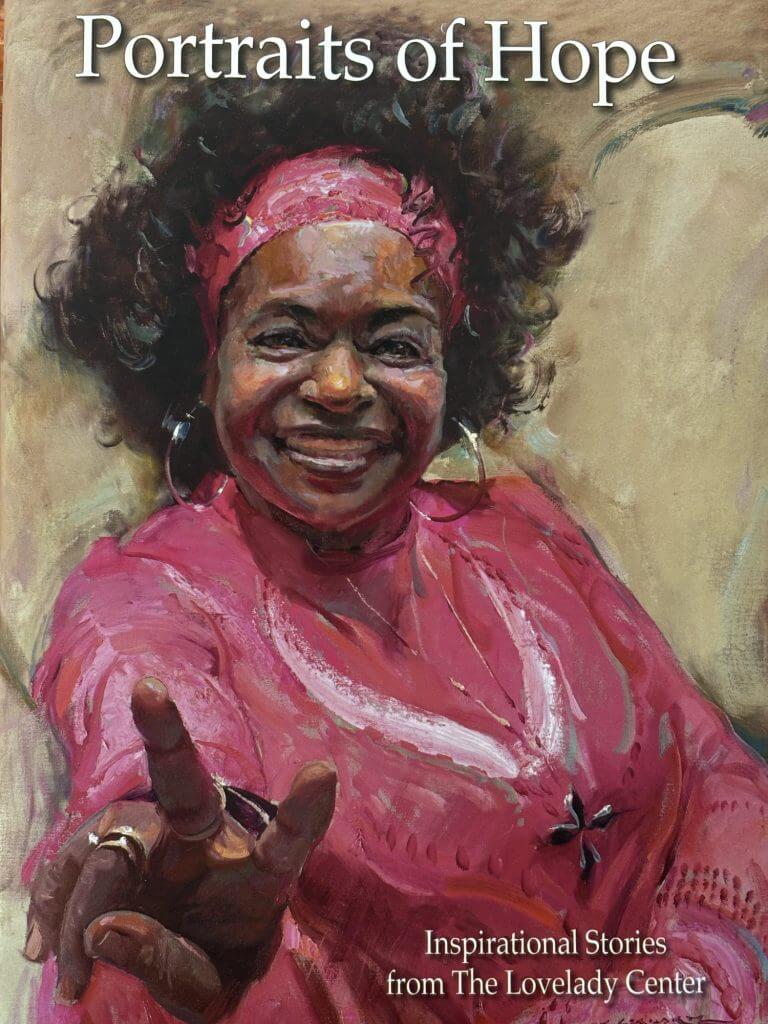
Portraits of Hope was initially centered around its namesake—portraits. McNeil owned a company now called Portraits, Inc. that represented leading contemporary portrait artists and asked those portraitists to paint Lovelady graduates for a coffee table book. The result, Portraits of Hope, is now in its second, expanded edition, with the proceeds going to Lovelady graduates.
The organization has since expanded to provide mentoring and financial assistance to the women, as well as a strong community of Lovelady graduates who regularly come together for sewing groups, dinners, and workshops.
“They have restored my faith that there are people who still care and want to help,” says Kieffer. “I will forever be grateful for Portraits of Hope lending a helping hand.”
The “25 Women, 25 Cars in 2025” campaign is one of the organization’s most ambitious initiatives, with Portraits of Hope providing $500 more in funding than usual. In addition, the women themselves raise $2,000, and First Fruits Ministries provides more funds as needed. So far, the campaign has obtained around 10 used cars for the women.
“Not having a dependable car has slowed the bonding of my children and immediate family,” says Fallon Cook, a grant recipient, in a letter to the organization. After obtaining a car, she has visited her family in Georgia and has plans for a family vacation.
“I am so excited for the future!” she says.
For more information or to buy the expanded Portraits of Hope coffee table book, visit portraitsofhope.charity