By Barry Wise Smith
For 75 years, the Birmingham Museum of Art (BMA) has been the city’s bastion of culture, with the stated mission of sparking the creativity, imagination and liveliness of Birmingham by connecting all its people to the experience, meaning and joy of art. Mission accomplished! And to start BMA’s 75th anniversary year off strong, they are presenting a landmark exhibition—Monet to Matisse: French Moderns 1850-1950—opening on January 30 and running through May 24.
The museum opened modestly in 1951 in five empty rooms in Birmingham City Hall with only 75 paintings borrowed from museums in other cities. Slowly, a collection was built bolstered by a major gift of 27 Renaissance and Baroque paintings from the Samuel H. Kress Foundation. This gift and a bequest from the estate of Helen Jacobs Wells became the impetus for the 180,000-square-foot museum built on its 3.9-acre campus in downtown in 1959. Wells also bequeathed her print collection—including masterworks by Rembrandt, Albrecht Dürer and James McNeill Whistler—to the museum. Today BMA boasts a diverse collection of more than 29,000 paintings, sculpture, prints, drawings and decorative arts dating from ancient to modern times. The collection features extensive holdings of Asian, European, American, African, Ancient American and Native American art.
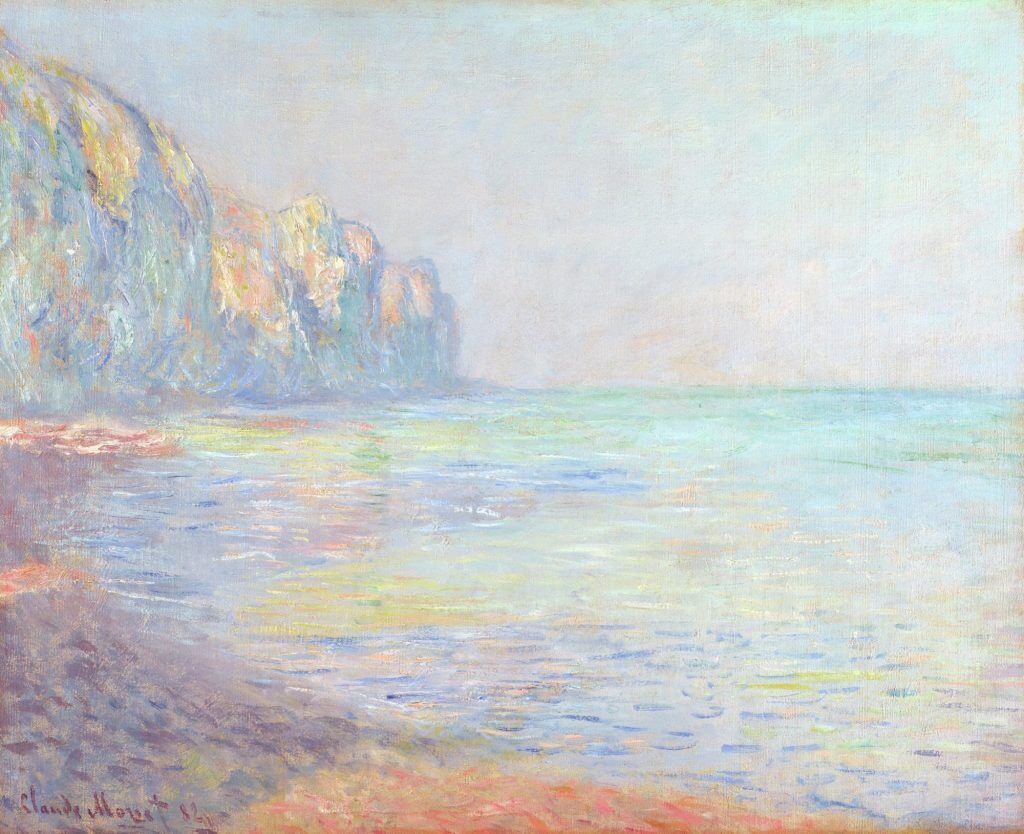
The Monet to Matisse exhibition, which has been touring the world for several years and is making its second-to-last stop at BMA, is centered around 56 paintings from the Brooklyn Museum. But the staff at BMA wanted to also show off pieces of their collection that fit and set about adding works to enhance the exhibition, ending up with 103 pieces of art. “We nearly doubled the size of the exhibition,” says Cate Boem, the museum’s Director of Marketing and Communications. “We are the only institution that is enhancing the exhibit with our own collection.” In addition to works added from BMA’s collection, three Monet paintings—two from the Virginia Museum of Fine Arts and one from Museum Fine Arts, Boston are also part of the exhibition.
Dr. Maggie Crosland, BMA’s Curator of European Art, will be directing the Monet to Matisse exhibition and is excited for residents to see the art collection that is already here. “We really want to show off our art collection,” Crosland says. “It’s so exciting that we are getting these works from Brooklyn, and it’s so exciting that we’re getting these loans from Virigina and Boston, but I want everyone who comes to the show to see that they can experience art of this caliber any time they come to the museum. It’s a chance for us to show off the quality of the art that lives in this community.” Dr. Graham Boettcher, BMA’s Director, agrees, “Our collection is something that we are very proud of and want to celebrate. Putting it one way, we are punching way above our weight class for a city our size. We have more pieces in our permanent collection than the High Museum in Atlanta.”
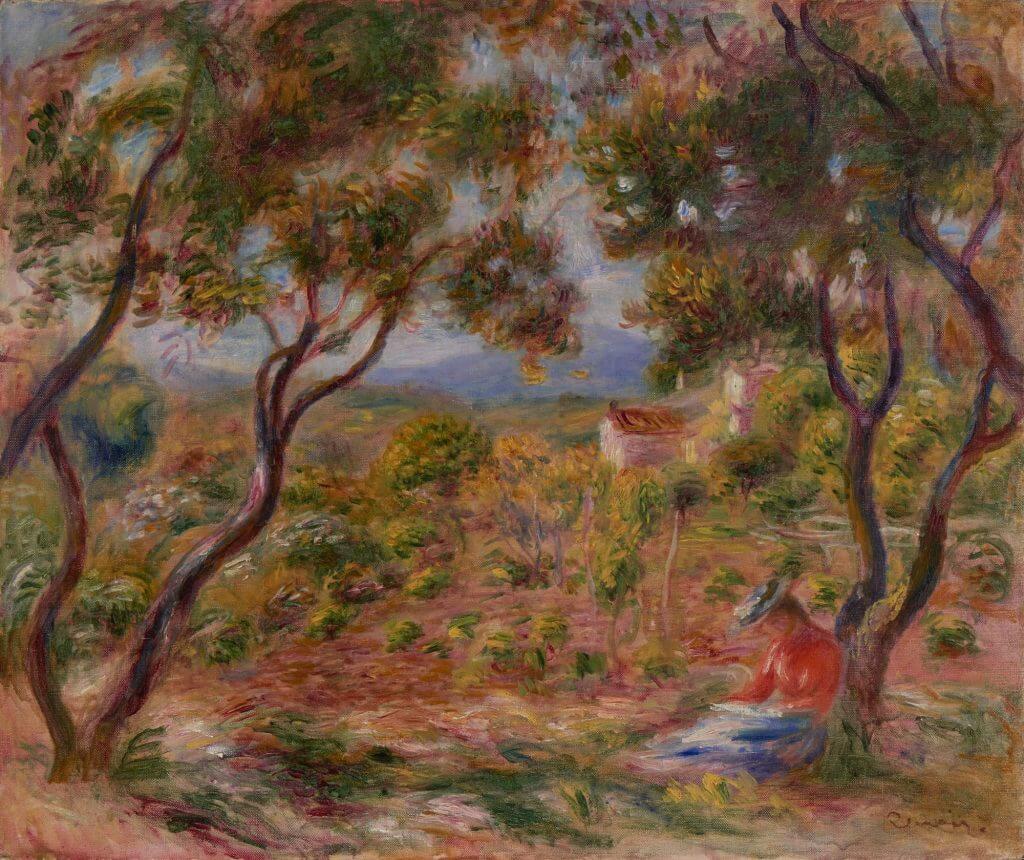
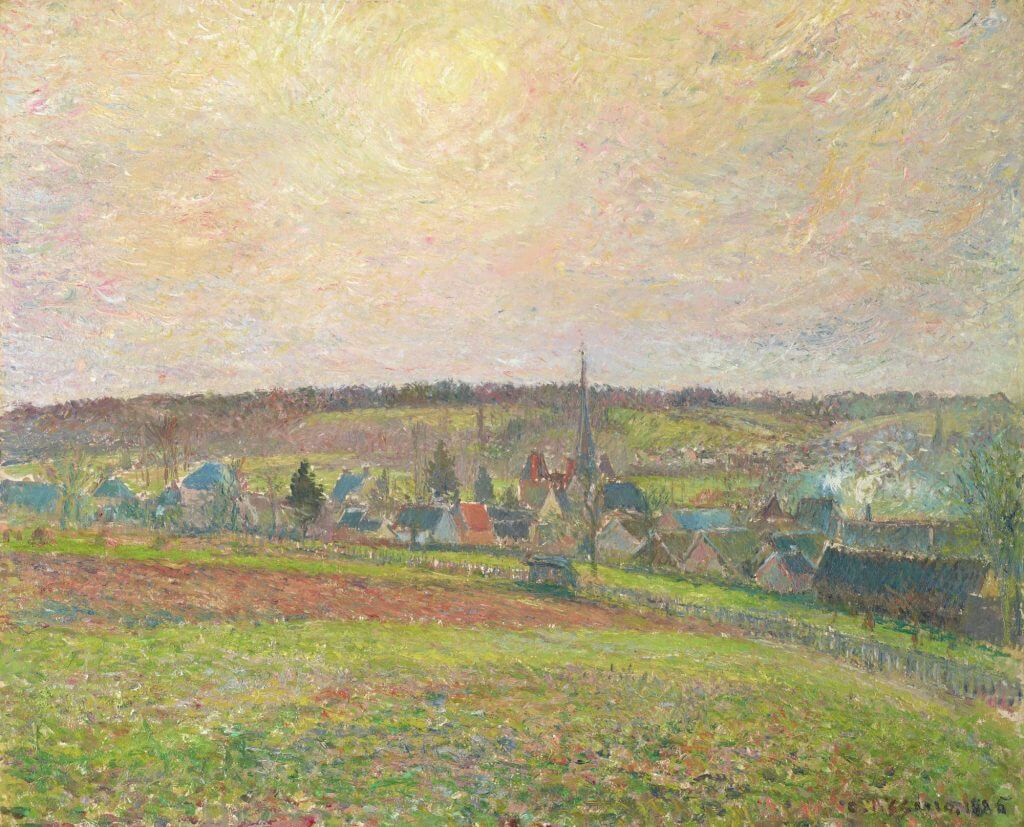
The exhibition, presented by PNC Bank, highlights France’s role as the epicenter of modernism during a time of profound social, intellectual and political change. Organized in four sections, the exhibition will feature iconic paintings, sculptures and works on paper from Impressionist masters like Paul Cézanne, Marc Chagall, Edgar Degas, Henri Matisse, Claude Monet, Camille Pissarro, Pierre-Auguste Renoir and many others.
In adding to the exhibition, Crosland looked for ways to expand the story that it tells. “I looked for places that I could tell the story a little deeper,” she says. One enhancement is the increased focus on the female Impressionist artists. “One of the things I’m very excited about is that we’ve been able to increase the representation of women artists in the show,” Crosland says. “We will have a dedicated section and a text panel devoted to these important women.” Crosland secured a work from Marie Bracquemond, one of three original female Impressionists, to include in the show. Petite vue de Sèvres will be displayed as it was acquired—without a frame. “She never framed it, and we wanted our visitors to have the opportunity to see it in the state she last saw it in,” Crosland says. “It is one of my favorite works in the show,” says Boettcher.
As for what goals BMA wants to accomplish with this show, Crosland has two: “First I want our community to get excited about what we already have. I want them to be excited about seeing the art from these other institutions, but I want them to be even more proud of the collection that we already have,” she says. “I also hope that people will walk away having learned something new.” Boem agrees, “I am hoping that this serves as a gateway exhibition where people come for the show but then they realize the depth and breadth of our collection, our dynamic programming and exhibits that we have going on all year.”
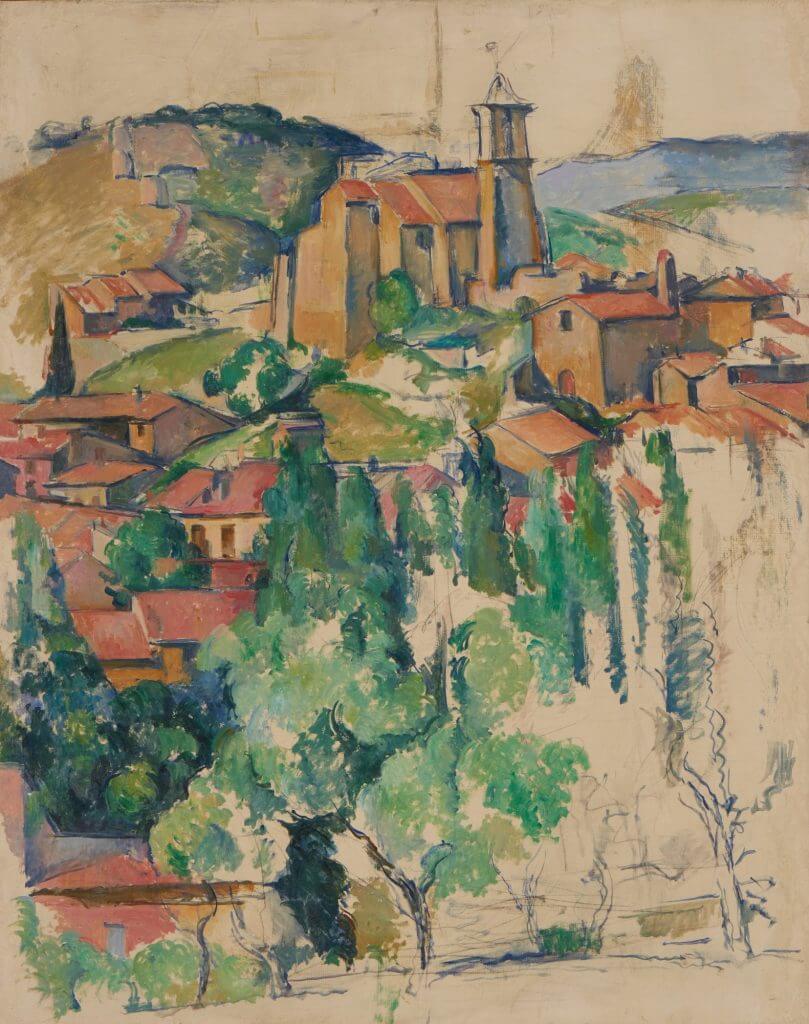
Along with the exhibition, BMA will offer a number of public programs including Art Breaks on Wednesdays (30-minute in-gallery talks), expert lectures, private and guided tours, hands-on art activities and interactive workshops. BMA is also producing an illustrated catalogue for the exhibition that will be available for purchase at the Museum Store.
“As one of the most significant exhibitions of French modern art to come to Birmingham, Monet to Matisse: French Moderns, 1850–1950 offers a rare opportunity to experience the revolutionary spirit of these artists up close,” says Boettcher. “From the dreamlike brushstrokes of Monet to the bold colors of Matisse, this exhibition reflects the radical creativity that forever changed the course of art history.”
For tickets to Monet to Matisse and information on programs, visit artsbma.ticketapp.org.