Lee Hurley
Photos by Jordan Wald and courtesy WISE and the McBride Family
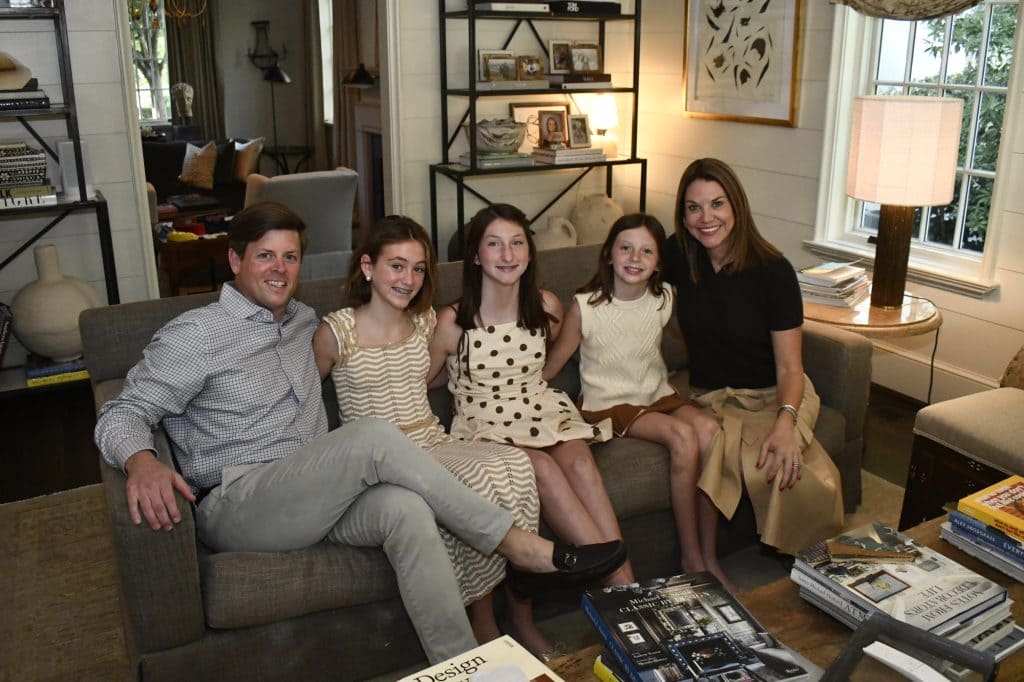
At 13, Vivi McBride plays golf and basketball and attends Mountain Brook Junior High alongside her twin sister, Collier. She has a busy school life with lots of friends and happy memories of her school journey including her preschool. For her mother, Mary Lauren, preschool holds particular significance: That is where Vivi began building her spoken language.
Vivi received cochlear implants at age two and a half. The implants gave her access to sound, but learning to listen and make sense of what she heard took time, therapy and patient instruction.
That is where the program now known as the Woolley Institute for Spoken-Language Education, or WISE, became an important part of the McBride’s lives. “They gave her such a great foundation,” Mary Lauren says.
For Mary Lauren and her husband, Bart, the Birmingham-based nonprofit offered something equally valuable: people who understood what their family was facing and could help them find their way.
Finding Answers
Vivi was born prematurely and did not pass her newborn hearing screening. At first, Mary Lauren recalled, there was hope that fluid in her ears might explain the results. But additional testing and appointments at Children’s confirmed hearing loss.
Vivi received hearing aids as an infant and began therapy. Mary Lauren still has a video of that first hearing-aid fitting. As the months passed, however, she worried that her daughter was not getting access to sound she needed.
Watching Vivi develop alongside Collier, who does not have hearing loss, made the differences in their language milestones especially apparent. Even with hearing aids and therapy, Vivi was not making the progress her mother hoped to see.
Susan Farrell, a therapist at Children’s who also taught at WISE, listened to those concerns. She helped the family pursue an evaluation for cochlear implants and navigate the documentation and insurance requirements. “She really helped me advocate,” Mary Lauren says.
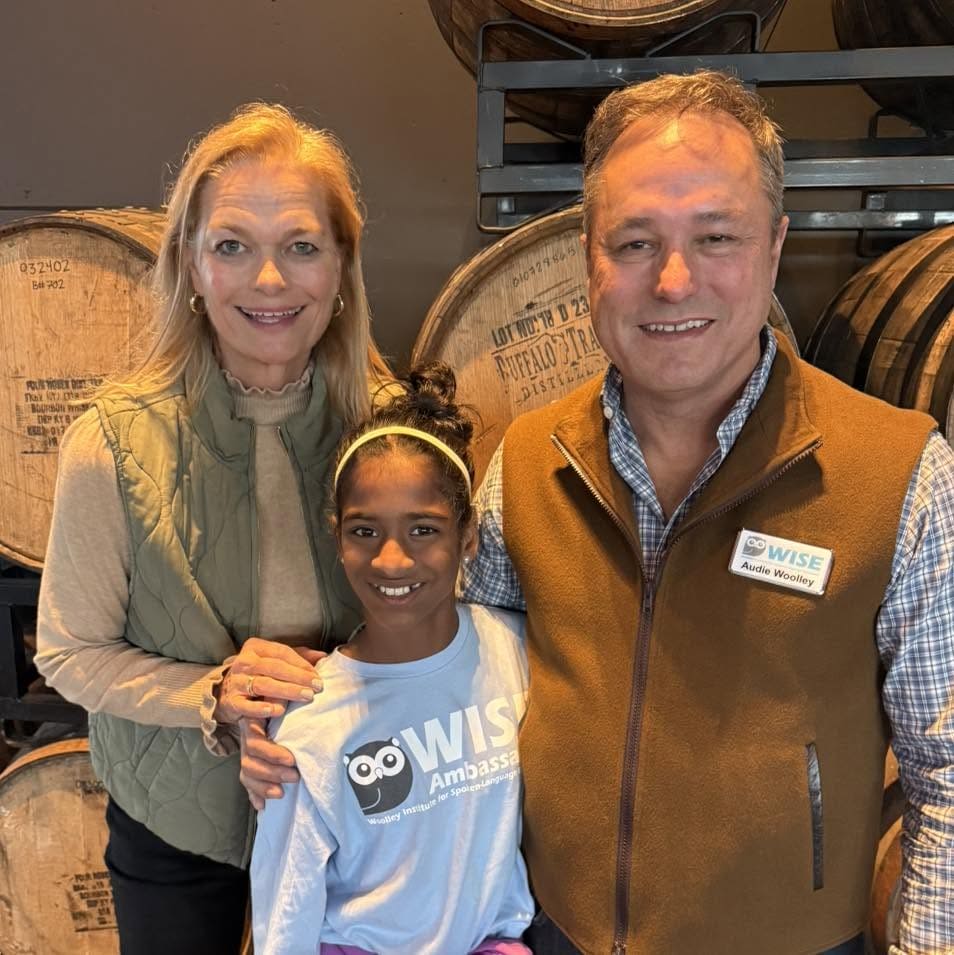
At two and a half, Vivi received cochlear implants in both ears. Dr. Audie Woolley performed the surgery at Children’s, and Mary Lauren remembers it going well.
The operation marked a turning point. It also connected the family to a physician whose work had helped make that opportunity possible for children throughout Alabama.
Beyond the Operating Room
Woolley, a pediatric otolaryngologist, established the Children’s Pediatric Cochlear Implant Program in 1995. His commitment to hearing loss extended beyond surgery: He also co-founded the school that became WISE, recognizing the importance of education and therapy in helping children use their access to sound to develop spoken language.
For Mary Lauren, his impact is deeply personal. “He’s a hero forever to me,” she says.
But implant surgery was not the end of Vivi’s journey. She still needed help learning to recognize sounds, understand words and communicate through spoken language. WISE centers on that process. The nonprofit helps children develop listening, spoken language and literacy skills through early intervention, preschool education and therapy. Its family focused approach also equips parents to support their children’s development in everyday life.
For the McBride’s, that support turned out to be surprisingly close to home.
Learning, One Word at a Time
When Mary Lauren learned about WISE, the program operated from classrooms at Canterbury Methodist. Other families drove an hour or more to bring their children there. The McBride’s lived just around the corner. Mary Lauren could hardly believe that a resource her family needed so much had been in their neighborhood all along.
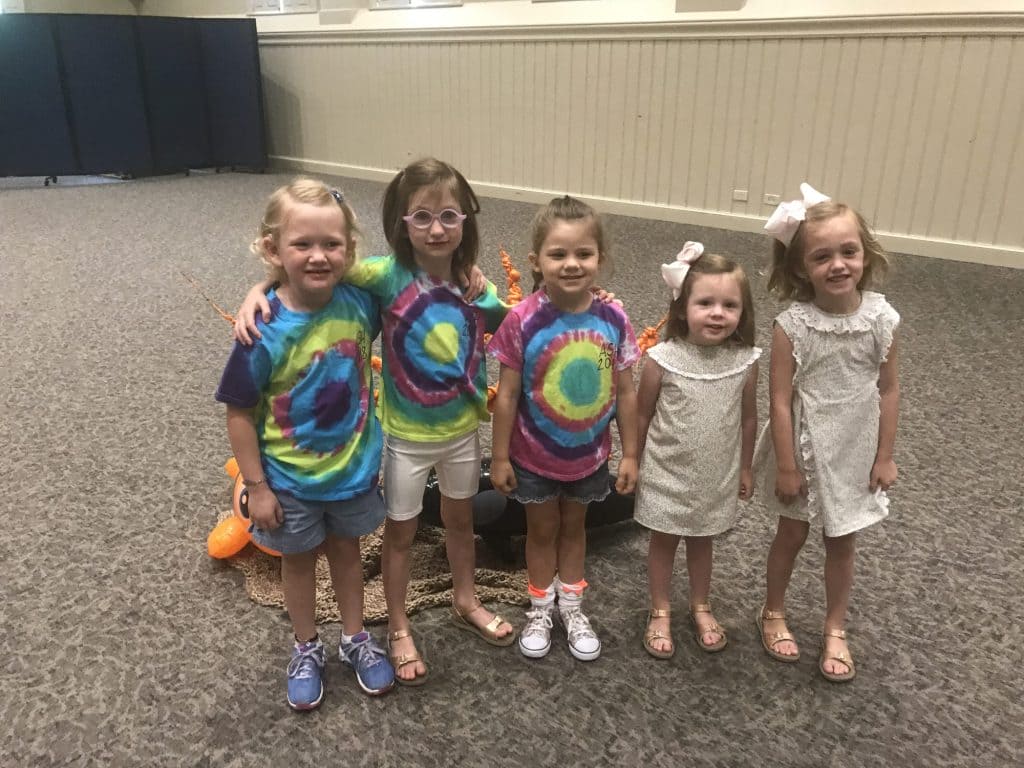
Vivi began attending at about age three and spent roughly two years in the preschool program. In addition to classroom instruction, she received a weekly one-on-one session for additional therapy.
Her progress came gradually. Mary Lauren remembers Farrell explaining how a small vocabulary could grow as Vivi began making connections between sounds, words and meaning. “Slowly but surely, she learned to listen,” Mary Lauren says.
Words accumulated, and conversations followed. By the time Vivi finished preschool, her mother felt she was ready for kindergarten.
The change was meaningful for the whole family. Mary Lauren and Bart had chosen to pursue listening and spoken language for their daughter, but at the beginning, they had little idea what that path would involve. “I didn’t know where to start, where to turn,” Mary Lauren recalls. “I didn’t know anyone who had been through this.”
At WISE, she found teachers and therapists who could answer questions, along with parents navigating similar experiences. The school helped the McBride’s understand how to support Vivi while giving them a community in which they did not have to explain every uncertainty. That connection mattered as much as the practical guidance.
Giving Back and Reaching More Families
Years after leaving preschool, Vivi still remembers classmates and experiences at WISE and has returned for visits. Mary Lauren has remained involved through board service, and Bart previously served on the board as well.
Mary Lauren has also had the opportunity to offer others the kind of help she once needed. When her cousin’s child developed hearing loss, Mary Lauren helped her navigate services and encouraged an early connection with WISE.
Having already been through the process, Mary Lauren could offer both practical advice and the reassurance of someone who understood.
Her family’s experience has also made WISE’s growth especially meaningful. She remembers a small program in borrowed church classrooms and has watched it expand into its own building, adding a Huntsville campus and broadening its services beyond preschool to summer camps, mobile hearing screenings and earlier intervention.
“That broader reach is central to the organization’s mission,” WISE Director Nancy Gregg says. “As the need for our services continues to grow throughout Alabama, WISE remains committed to our mission of ensuring every child who is deaf or hard of hearing has the opportunity to learn to listen, speak, and thrive in their neighborhood communities.”
For Mary Lauren, the value of that mission is visible in Vivi’s daily life as a perfectly normal teenager.