By Sarah Kuper

This time of year, fluffy baby ducklings and little baby bunnies are finding their way into ponds and backyards Over the Mountain.
But local Animal Control officials are reminding community members to be aware of other wildlife emerging this time of year.
Less adorable hatchlings like snakes, and less cuddly babies like coyotes are showing up in large numbers Over the Mountain.
One of the biggest problems though, starts out as arguably one of the most cute and cuddly of them all.
Vestavia Hills is having such a big problem with feral cats that the City Council recently voted to contract with the Greater Birmingham Humane Society for help.
Animal Control officials said the standard approach to dealing with roaming feral cats is to cut off their food source; they generally will desert the business or home.
This means not leaving out food or scraps for the area alley cat.
Even if the cats seem harmless, undomesticated cats often carry diseases that are especially dangerous to children, pregnant women or the elderly.
City Council members in Vestavia Hills said the feral cat problem in the area has gotten so bad that professional intervention is necessary. In the next weeks, the Humane Society will be trapping and evaluating feral cats.
If cats are deemed healthy and disease-free, the Humane Society will spay or neuter the animals and re-release them.
The program will be a temporary intervention and the council plans on spending no more than $10,000.
Ashley Martin, animal control officer for the city of Mountain Brook, said she gets phone calls about feral cats, but so far this spring the biggest problem she’s seen in the area is snakes.
“They are what I would be worried about this time of year. There seems to be a lot of copperheads in Mountain Brook,” she said.
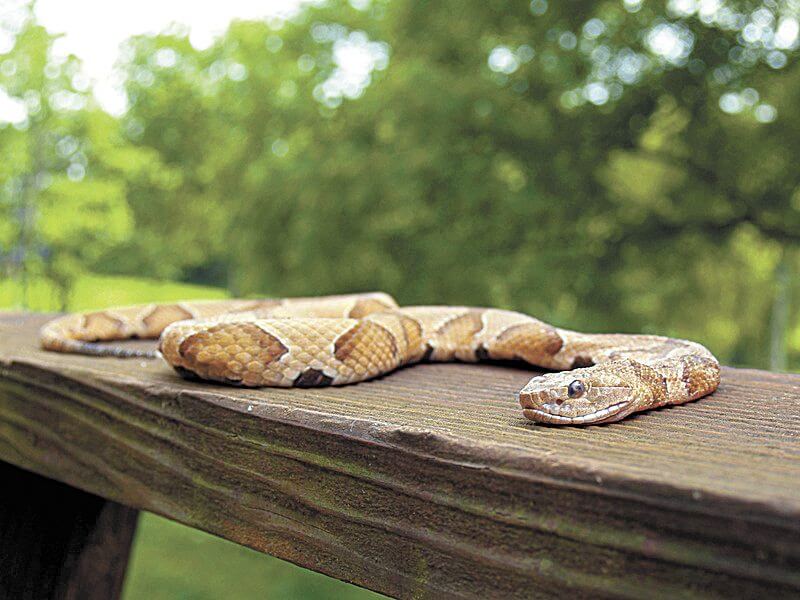
Copperheads are poisonous snakes and may be especially dangerous to family pets who nose around and agitate them.
The snakes reproduce in spring and fall, but the spring is when backyard activity such as landscaping is most likely to disrupt nests, and filling up the pool can attract the new hatchlings.
Martin said someone who has a snake problem can call Animal Control for help, but the first line of defense should be a call to pest control professionals.
“Snakes feed on lizards and smaller reptiles like salamanders and frogs. They like small rodents too. Eliminate those pests,” she said.
Martin advised keeping a cover on the pool and keeping an eye on any other water sources such as fountains or bird baths.
One headline-making wild animal garnered attention last fall, when Vestavia Hills residents noticed an increase in coyotes in the area.
Martin said coyotes may be intimidating, but they are really just a nuisance.
“The coyotes may have gotten a little blown out of proportion. Like other undomesticated animals in the backyard, they are just looking for food,” she said.
Martin said there have not been any coyote attacks on humans, and like with other wild animals, there are several ways to make them go away.
“They mainly come at night so things like motion sensing lighting or loud shakers will drive them away,” she said.
According to the Humane Society’s website, those harassed by urban coyotes should use a method called “hazing.”
Generally, coyotes are non-confrontational, so simply yelling at the coyote to “go away!” or banging pots and pans together should scare them off.
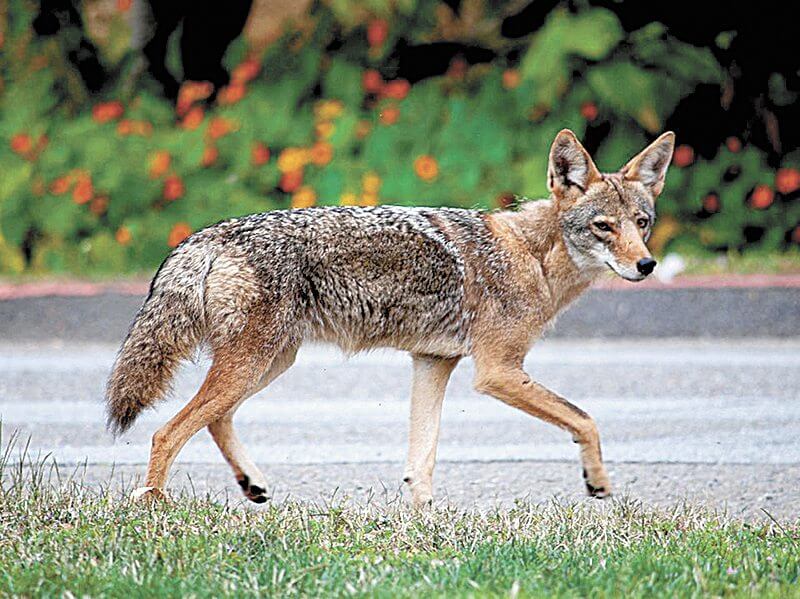
The website also recommends spraying them down with the hose or a mixture of water and vinegar.
After a few of these encounters, the coyotes will learn to steer clear.
Of course, Martin said to call animal control right away if it seems the animal is becoming aggressive.
“Even we refer out for coyotes, I would not recommend trying to trap them yourself,” she said.
Martin said another useful way to help curb the wild animal population is to be a good neighbor.
“If you see something that doesn’t belong in your backyard, check with your neighbors to see what they are experiencing.”
Often residential communities can work together to make their neighborhoods less hospitable to snakes, wild cats and coyotes.
Animal control officials in all areas Over the Mountain encourage citizens to call for help, but they also want to remind residents to be mindful of the food chain and remember the circle of life.