By Anne Ruisi
The theme from “Schindler’s List” resonated from the violin played by virtuoso Niv Ashkenazi on the stage at Birmingham’s Red Mountain Theater, producing the heartrending music that won composer John Williams an Oscar.
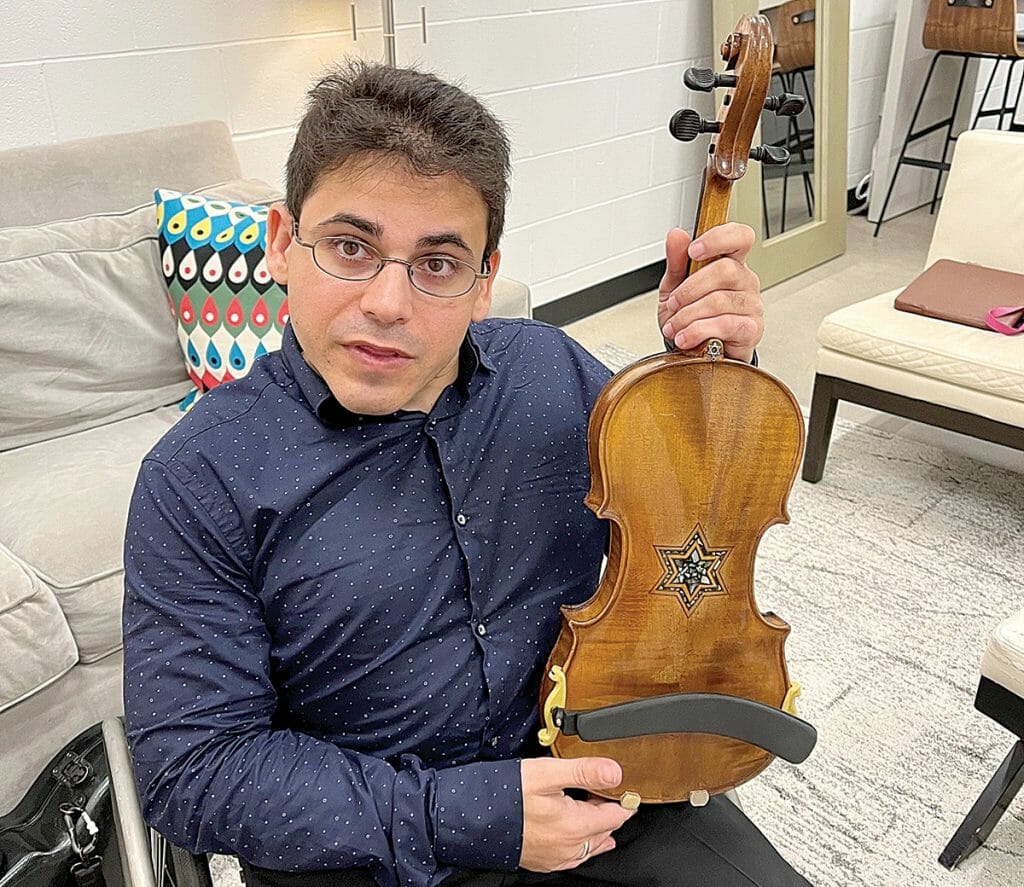
Ashkenazi’s performance was not only a highlight of L’Chaim, the Sept. 18 program from the Alabama Holocaust Education Center. It was an opportunity to hear an incredibly gifted musician perform on a violin once played by a Jewish survivor of the Holocaust.
“The best they can figure out is it was owned by a survivor who made it to the U.S. It was probably made in Yugoslavia around the turn of the 20th century. It was one of the first restored,” said Ashkenazi, referring to the collection of instruments known as Violins of Hope.
That restoration was done by Avnon and Avshalom Weinstein, a father- and-son team who work in Tel Aviv and Istanbul. These special violins were owned by Jews before and during World War II, according to the Weinsteins’ website, violins-of-hope.com. Many were donated by or bought from survivors or through family members.
A Violins of Hope documentary screened during the L’Chaim program introduced the standing-room-only audience to the Weinsteins and their efforts to preserve the precious instruments. One of the violins in the collection was buried by two sisters in The Netherlands during the war and dug up after it ended.
“Some played to survive the war, some were forced to play in the camps even as their family members and others walked to their deaths,” Avshalom Weinstein says in the documentary.
The violins are symbols of hope and a way to remember those who perished and to honor those who survived. The Weinsteins’ website notes the violins “present the victory of the human spirit over evil and hatred.”
Significant Marks
Ashkenazi’s violin is embellished on the reverse with a Star of David in mother of pearl, indicating it’s a klezmer violin. Klezmer refers to a style of Jewish folk music from Central and Eastern Europe, but it also refers to the decoration on the instruments. Ashkenazi noted Stars of David were just one type of embellishments that might be found.
“It’s always very special playing this violin, or any in the collection,” said Ashkenazi, who studied with Itzhak Perlman. “It lets the silenced voice be heard again, as well as the (original) owner of the instrument.”
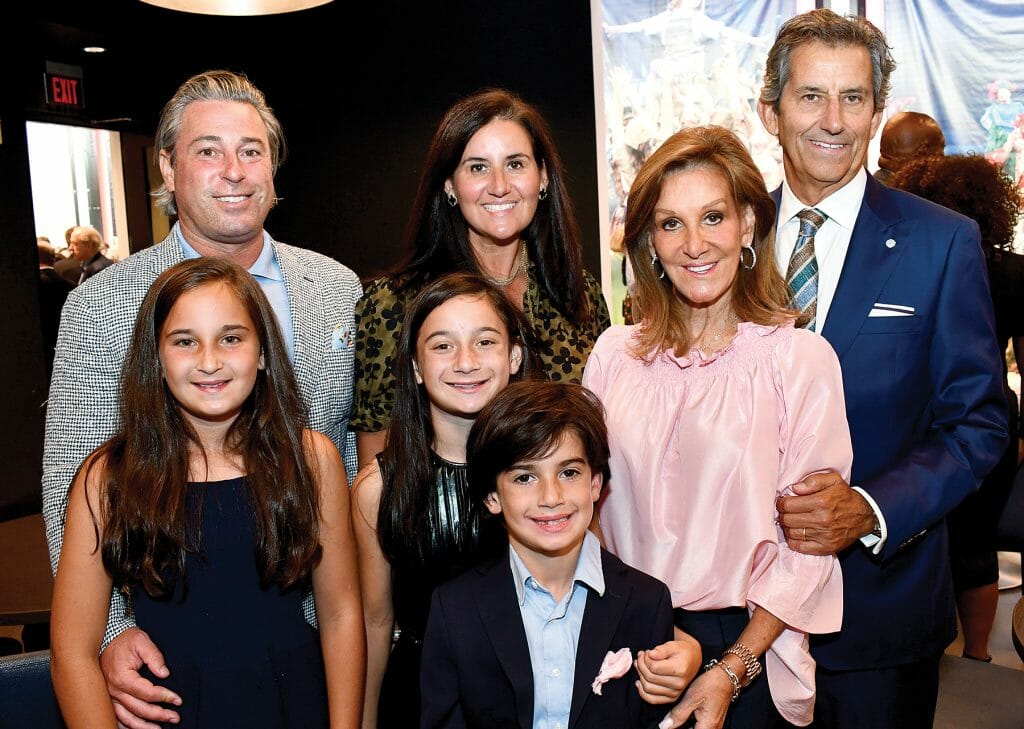
Gail and Jeffrey Bayer, L’Chaim honorary co-chairs, went to Tel Aviv in May and met the Weinsteins, and spoke of their experience.
“It’s a history that must be remembered,” Gail Bayer said.