By Sarah Owens
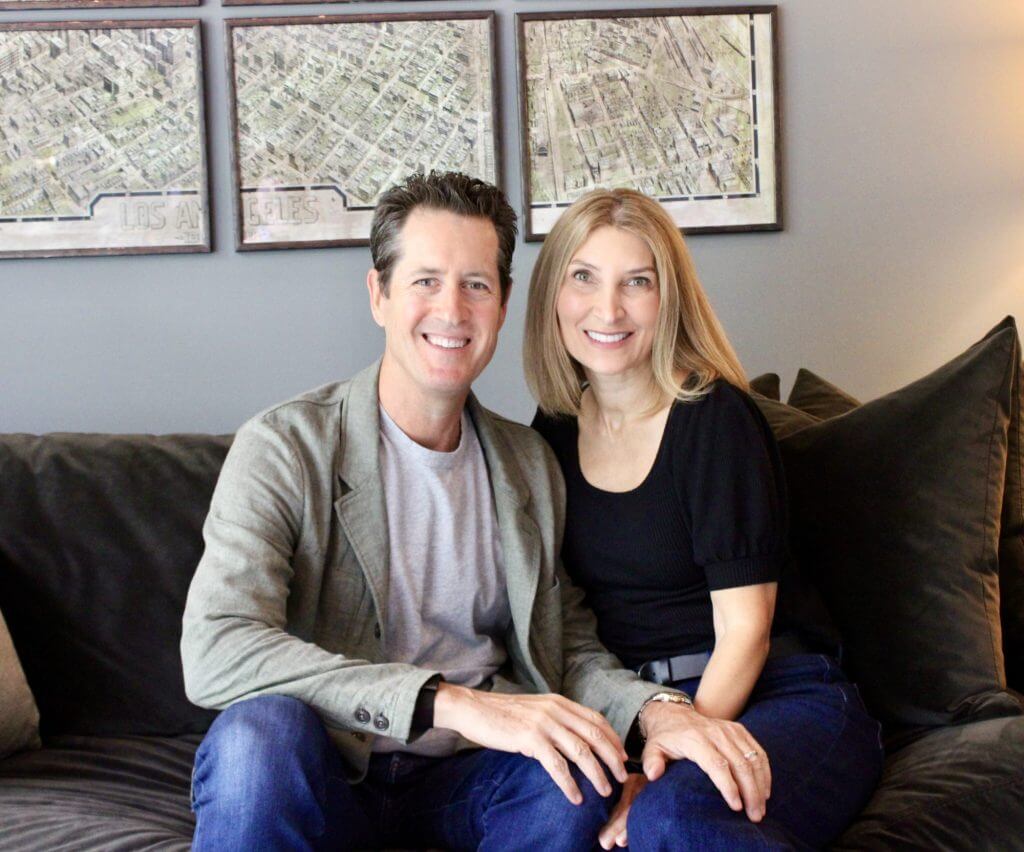
When Greg and Michelle Suess packed up their lives four years ago and moved to Mountain Brook, they left behind Los Angeles’ endless traffic and Hollywood’s spotlight in search of something quieter: community, connection and a place to live out the values that have shaped both their personal and professional lives.
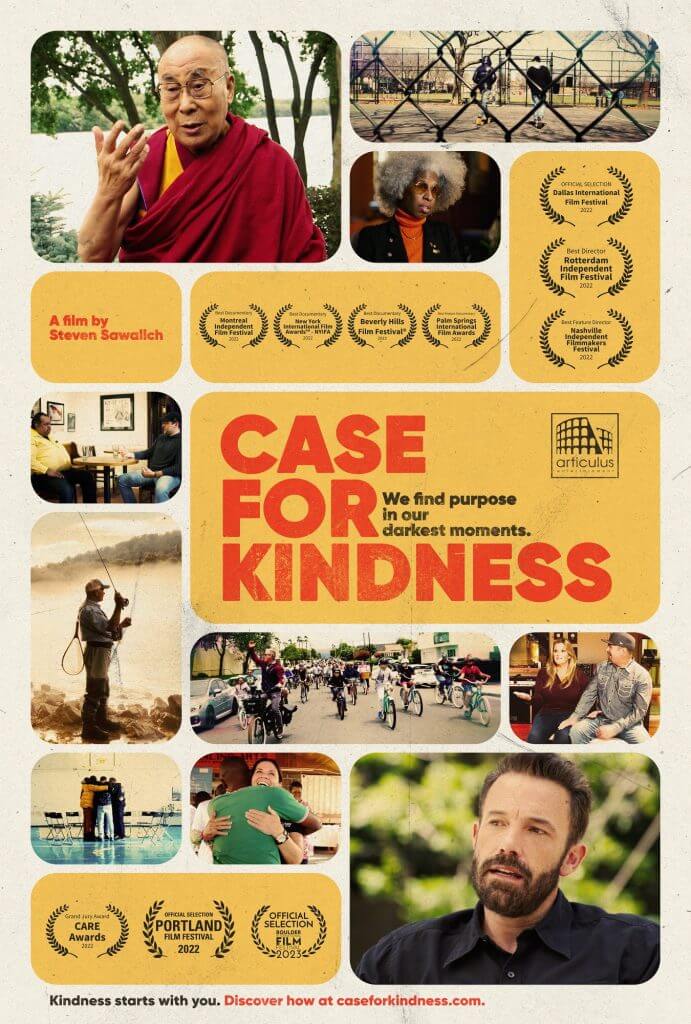
Those values led Greg to his most recent project, Case for Kindness, an award-winning documentary created by filmmaker and philanthropist Steven Sawalich. Sawalich directed and produced the film, and Greg served as an executive producer. The project, which premiered on Amazon Prime on September 14, has already captured more than 75 international festival awards, including Best Feature Documentary and Best Director, and its message is as timely as ever: in a divided and often hostile world, kindness can change lives, heal wounds and create real, measurable impact.
For the Suess family, that message connects directly to their decision to put down roots in Alabama. Moving back to Michelle’s home state wasn’t just about geograph —it was about finding a place where kindness and community could thrive. “We had tried to foster that sense of community in LA for several years, and we just didn’t feel it,” Michelle says. “It’s challenging in LA, because people are all across the city. It’s challenging to get around, and we wanted something where we would see the same people from time to time, and we could spend time together.” Mountain Brook, with its small-town charm and slower pace, gave them what they were looking for.
The Film’s Origins
Case for Kindness was born from Sawalich’s travels to more than 125 countries with the Starkey Hearing Foundation, where he saw how compassion transcended culture and language. “You don’t know the culture, you don’t know the language, but the thing that kind of bound people together was kindness,” Sawalich says.
He also recalled conversations with the Dalai Lama, who often said, “‘The happier you are, the kinder you’ll be, and the kinder you are, the happier you’ll be, which can lead to joy.’”
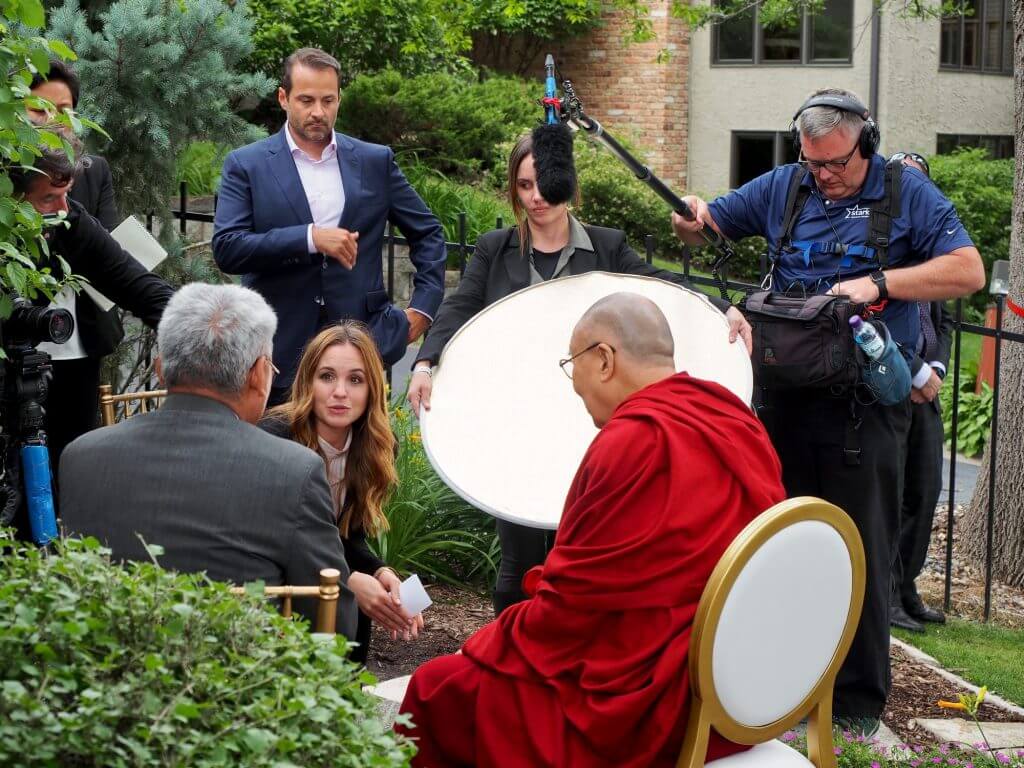
That idea resonated so strongly that it sparked a five-year journey of research, interviews and filming. “As we started looking into it and doing the research, we started finding that there’s a lot of scientific studies behind kindness,” Sawalich says. “That’s one of the things we focus on in the film, is how kindness can affect your body, mentally, physically, emotionally.”
The documentary confronts pressing issues—from racial injustice and mental health to bullying, hate, food insecurity and gun violence—through stories of people who responded with empathy instead of anger. Among its voices are the Dalai Lama, Ben Affleck, Garth Brooks, Trisha Yearwood and the late Norman Lear. The result is both intimate and expansive, weaving scientific studies on kindness with personal narratives of resilience.
Turning vision into reality, however, required partners. That’s where Greg stepped in.
From Collaboration to Partnership
Greg, a founding partner of Activist Artists Management—a music, film and television talent management and advisory firm “founded on the belief that artists, actors and brands can create positive change in the world”—brought that professional mission into Case for Kindness. “I just couldn’t think of a more Activist project than the Case for Kindness,” Greg says. “It was like the perfect fit for what we feel as a company and what our mission is.”
His involvement began almost by chance. At a dinner party with Sawalich, the idea of a documentary on kindness came up. “He and I were talking, and I mentioned the idea of doing a documentary around kindness, and I was kind of talking to him about the science and stories we wanted to tell,” Sawalich says. “Greg started telling me about his company, Activist, and what they do, and I thought it was a perfect fit, and he offered to help. He brought in a few of the stories and was able to help provide funding through outside resources. He was just an all-in great guy to be a champion for me for the documentary and to help really get it off the ground.”
As an executive producer, Greg worked behind the scenes to shape the project and ensure it reached audiences who needed it most. For him, the mission wasn’t just about filmmaking—it was about amplifying a message he and Michelle already lived daily. “As a general rule, we try to do something kind for everybody every day, Greg says. “I try to, every day, do one tangible thing. By the end of the year, that’s 365 things that you did, that you can count on, that are in your control.”
That same spirit carried into Michelle’s work in communications, where she provided vital disaster relief assistance through the Entertainment Industry Foundation, including for the 2023 wildfires in Maui. And though her name doesn’t appear in the film credits, Greg says her encouragement was central to the project. “If you’re a true team and a true marriage, when one of you is involved in something, both of you are involved in something. And she was so encouraging, always with ideas,” he says. “There’s times where you feel like quitting, and you’re with somebody who’s really encouraging, and if it wasn’t for that encouragement, I’m not sure that that it all would have come together the same way.”
Together, their shared philosophy—living out kindness through daily action and supporting each other’s work—helped shape Case for Kindness into the film it has become.
The Ripple Effect of Kindness
Since its completion, Case for Kindness has struck a chord worldwide. Festival audiences have praised its honesty and hopefulness, leading to accolades across London, Dallas, Boulder, Barcelona and Beverly Hills. In 2024, Washington, D.C., even declared August 21 as “Case for Kindness Day.”
The Creative Coalition also honored the documentary with its 2024 Humanitarian Award. For Sawalich, though, the most meaningful achievement is the conversations the film has begun. “I think people take away something different, and it depends on which story they gravitate towards,” he says. “I hope this just creates conversation and gets people to start asking questions, to start understanding each other and communicating. … My biggest goal right now is just for people to start a conversation and listen to each other, not try to be right, but just to listen to each other and be kind.”
Greg shares that hope, envisioning the film as a tool for dialogue in homes, schools, and communities. “I’m a big believer in the power of stories, and it’s the kind of thing that people could share over dinner and talk about it in schools. I think it’s awesome opportunity for schools to use it to discuss the topic of kindness. It has all the elements to really be impactful.”
As they see it, the film’s true impact will be measured in the conversations and actions it inspires for years to come.
Case for Kindness is streaming now on Amazon Prime Video.