By Sarah Kuper
Becca Barganier had always thought therapy wasn’t for her. She didn’t have any “issues” and she wasn’t having suicidal thoughts.
But after going through a devastating experience a few years ago, her parents suggested she see a therapist.
“I thought it wasn’t for me, but it helped. People need to know it is OK to get help and often the people who look like they have it together are falling apart on the inside,” she said.
Barganier believes that, if she hadn’t been able to use mental health resources, she might still be struggling.
That’s why she believes in the mission of the American Foundation of Suicide Prevention.
“It is about creating conversation about mental health. People think it is something you can control but it isn’t. It is a chemical imbalance and should be treated like any other illness,” Barganier said.
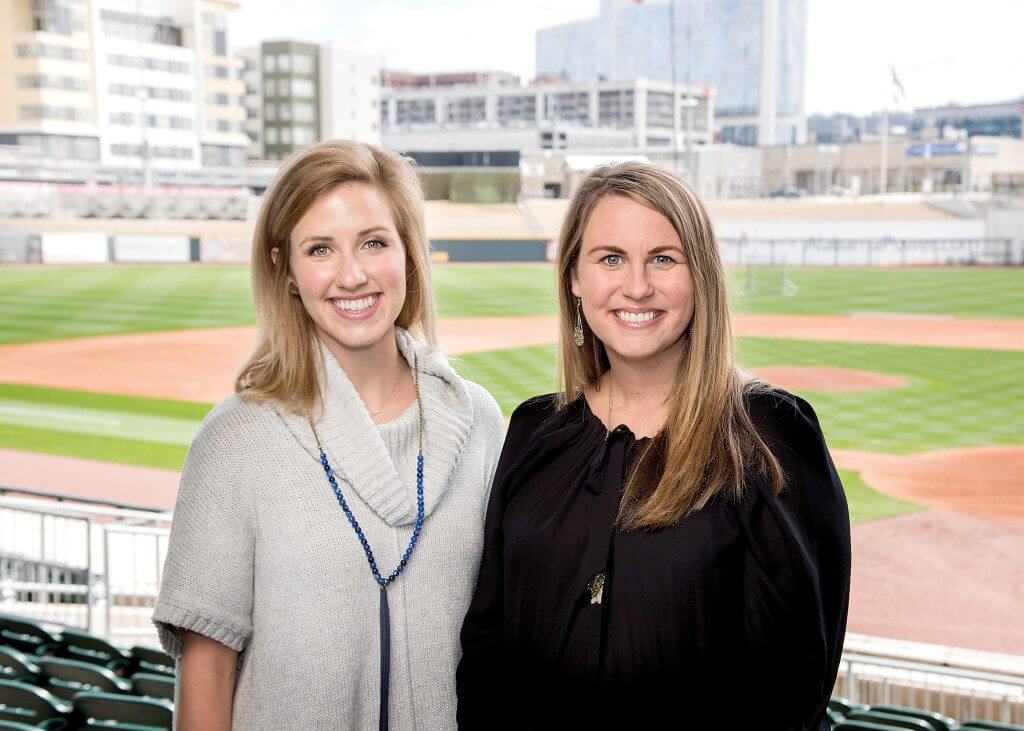
She is a founding member of the Alabama chapter’s junior board, established in 2015.
Alabama is the first AFSP chapter to have a junior board.
While a lot of non-profits have junior leadership opportunities, the foundation’s area director, Lisa Holman, said having young professionals lead awareness about mental health is essential to accomplishing AFSP’s mission.
“We want to groom young people to be leaders. They are the generation that is going to change things. Years ago people never said the word “cancer” but now there is so much awareness. The younger we can normalize mental health, the closer we will be to erasing the stigma,” Holman said.
According to the Alabama Department of Public Health’s suicide fact sheet, suicide was the second leading cause of death among 15- to 24-year-olds in Alabama in 2013 and the 11th leading cause of death among adults overall. The data indicates the suicide rate in the state was almost double the homicide rate.
But Holman said she doesn’t feel defeated.
Since the Alabama chapter was chartered in 2008, the turnout for suicide prevention events such as the Birmingham “Out of the Darkness” walk has grown from barely 500 to 2,000 people last year.
“When we first started, people thought no one would walk for suicide prevention. We started with organizing three walks in the state and now we have 10 walks throughout Alabama,” Holman said.
The ADSP has made it a goal to reduce the suicide rate in Alabama 20 percent by 2025.
The Alabama chapter is ferociously chasing that goal by working closely with the Crisis Center, raising money for research initiatives and organizing events to spread awareness.
The newly formed junior board is leading the charge to share information and erase the stigma by inviting public attention with events such as last fall’s Art of Hope event and the March 19 Beat the Odds casino night at Regions Field.
The Art of Hope event showcased art submissions that displayed interpretations of depression, suicide and helplessness but also hope.
Barganier said the event received overwhelming support through art submissions and attendance. The evening focused on art therapy and other ways to express mental health struggles and solutions.
Attendees at this year’s Beat the Odds night can expect an increased focus on survivorship.
“We will have a table with ribbons that people can wear to show who is here in honor of someone or yourself. We think this will show how much people are affected by suicide and spark conversation,” Barganier said.
Both Holman and Barganier said they understand how hard it is to talk about struggling with mental health. Holman said that, despite more awareness about the issue, there still seems to be a stigma.
“That’s why we will talk to anyone who will listen to us. I look forward to the day when a child can check out of school to go to the psychiatrist just like they would check out for the dentist,” Holman said.
Taking the conversation to local high schools and colleges is one way Holman is working toward that day.
“Young people are so energetic and so on fire for a cause. That’s what we need,” she said.
Barganier said she admires public figures who are recognizing the need for awareness among even the youngest children.
“Look at Kate Middleton, she is going into schools in England and talking to little ones about mental health and reaching young people at risk.”
At the inaugural Beat the Odds casino night in 2015, junior board members hoped to raise about $20,000, but they exceeded their goal and raised $40,000.
This year the board hopes to raise $50,000.
The money will go toward research and toward the junior board’s awareness event in the fall.
Holman thinks they can reach their monetary goal and continue to build momentum in Alabama.
“We still have a long way to go but we are getting there,” Holman said.
Barganier said she is grateful she was able to see a therapist and become more aware of ways to deal with mental health issues.
She said she is hopeful that the junior board can help create conversation about mental health in a way that makes seeking help more “normal.”