By Kaitlin Candelaria
Every day in the United States, 720 children are diagnosed with cancer. It is the leading cause of death for children under the age of 15, yet research is consistently underfunded.
These statistics led families of children suffering from cancer to push for naming September as Childhood Cancer Awareness Month. In 2008, the U.S. Senate passed a resolution naming Sept. 13 National Childhood Cancer Awareness Day, a dedication that was solidified in 2012 when President Barack Obama officially signed a proclamation naming September as National Childhood Cancer Awareness Month.
Right here in the Over the Mountain community, dozens of families are living the nightmare of childhood cancer and finding a way to fight back against this brutal disease.
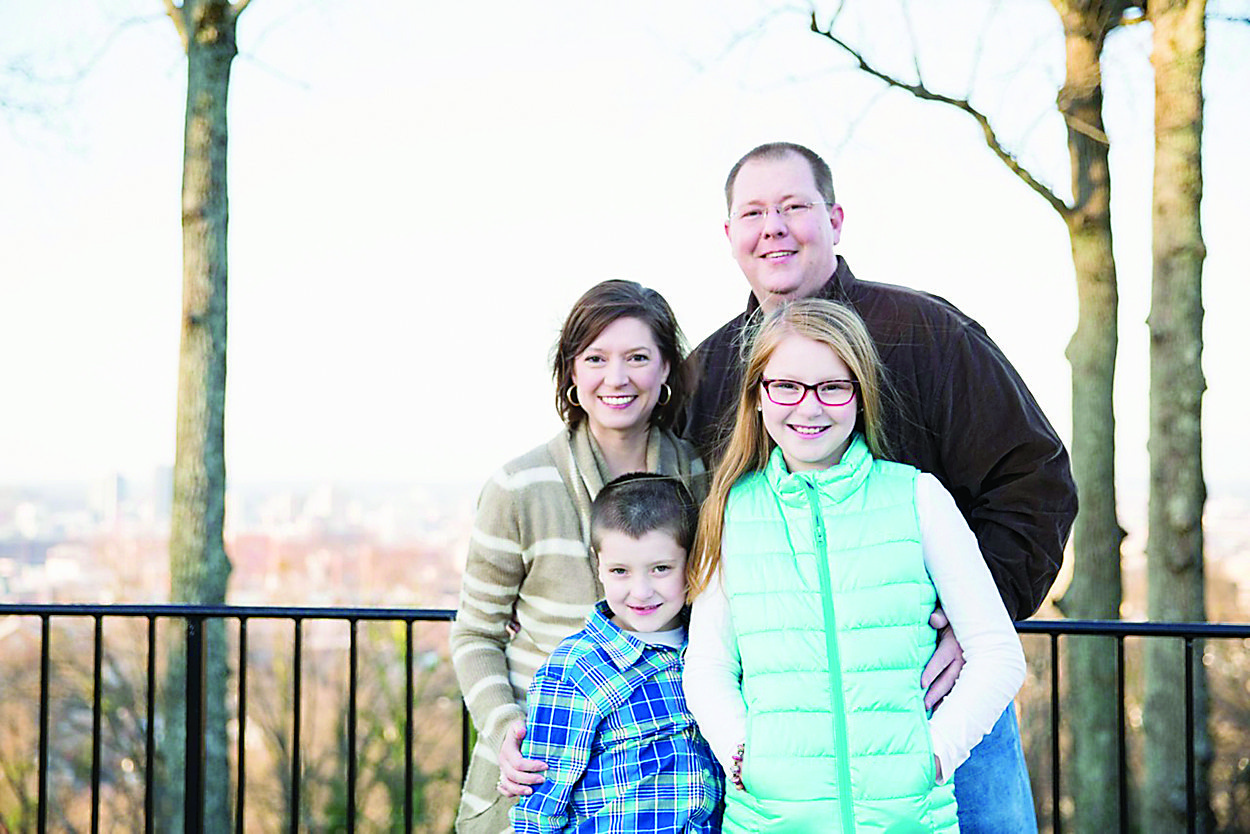
“We’ve Seen Families Where the Mother Was Living in her Car in the Children’s Parking Deck”
ATeam Ministries starts each week off with a Monday morning prayer. The staff, along with members of the community, gathers at 8 a.m. with a list of children who are battling cancer.
“We pray over them so that families know their children were prayed for by name,” Andy Thrower, co-founder, said. “Some families have a desire to be involved in the spiritual aspect of what we do and some don’t.”
“We still want to love on them,” his wife, Jan Thrower, ATeam co-founder, added.
The Thrower’s world was changed forever in 2009 when their son, Anderson, was diagnosed with leukemia.
“Everybody comes here to Birmingham for treatment and we were very fortunate to have family, friends, a church here in Vestavia Hills to help us a good bit with basic things – simple things that people forget about when you’re in the hospital,” Andy said. “That’s how we caught the vision of doing ATeam. So many families who come here for treatment do not have that.”
ATeam has a three-pronged mission. It provides spiritual, emotional and financial support to families who are in the Birmingham area with children undergoing treatment.
“The programs we offer are all designed around what we’ve seen,” Andy said. “Housing is one of those needs. When children come to Children’s to get a transplant, they have to stay in the hospital for a period of time and after that they’re required to stay in the Birmingham area for anywhere from 30 to 90 days. Families are already strapped financially just from the overwhelming costs, so going out and securing a second residence isn’t something most people are able to do.”
ATeam has two apartments where families can stay free of charge.
Another area they emphasize is helping families spend time together. According to the Throwers, oftentimes when children are hospitalized for long periods of time, families become very broken because they never get to see each other. Through many community partnerships, ATeam has a “Day of the Game” program in which they frequently are able to provide tickets to Alabama and Auburn football games, Braves games and other community events.
“Mainly it’s just trying to get the family to do something together so they don’t have to worry about anything to do with cancer during that time,” Jan said.
Another aspect of ATeam’s Ministry is providing families with financial assistance.
“Pediatric cancer doesn’t just happen and it’s over in 10 days after an antibiotic,” Andy said. “Since 2009, we’ve provided over $125,000 in financial grants to families.”
A lot of times, these grants are used for basic things such as paying bills or buying groceries Andy said. In some cases, ATeam has even assisted a family with funeral costs after their child passed away.
“We’ve seen families where the mother was living in her car in the Children’s parking deck,” Andy said.
Although Andy said they all pray for a cure, their organization is focused on meeting the everyday needs of families in the pediatric cancer world.
“A cure isn’t going to happen today and until it does you’ve got people struggling with mortgages and car insurance and all these other things people forget about.”
In the next five years, ATeam hopes to construct a multi-unit living facility for families in Homewood while continuing their mission and services to families with children receiving treatment at Children’s of Alabama.
“It’s all about word of mouth,” Andy said. “We’re in the process of creating a junior board and we’re really just always focusing on reaching out to new people and seeing new faces.”
ATeam will be celebrating next month by helping businesses and schools in the area “Go Gold” for Childhood Cancer Awareness Month. Football patrons at Hoover High School and Spain Park High School can expect to see banners decorating their football fields.

“It’s Never Over When Your Child Has Cancer”
For Amanda and Ryan Knerr, the world of pediatric cancer is one they know all too well.
The family was planning their move back to Birmingham from the Miami area in 2009 when their 6-year-old daughter, Emily, started complaining of stomach aches and leg pain. They took her to the doctor but thought she just was anxious about their impending move. Amanda was traveling to Birmingham to put a contract on their house when things took a turn for the worse.
Upon arriving home, Amanda found Emily in so much pain that she rushed her to the emergency room. Doctors, suspecting appendicitis, ordered a sonogram. A labor and delivery nurse by trade, Amanda said she watched in horror as something appeared on the screen.
“They started measuring something and I asked them what it was and they told me they didn’t know,” she said. “I knew right then. They did surgery two days later and the doctor came out and said, ‘I don’t know what it is, but it’s cancer and it’s ruptured, so it’s contaminated her entire abdomen.’ Just hearing those words…we were shocked.”
The “it” was a 10-centimeter tumor in Emily’s stomach that turned out to be small cell carcinoma of the ovary, hypercalcemic type. Amanda said they didn’t know it at the time, but the disease has a 94 percent mortality rate.
Ryan and Amanda immediately jumped into action, pushing their move up from several months down the road to 10 days later to start Emily’s treatment at Children’s of Alabama.
Emily underwent three major surgeries, six rounds of aggressive chemotherapy, 30 days of radiation, 60 days of Avastin therapy and a stem-cell transplant, which led to major complications, before she was declared cured in January 2011.
During the process, the Knerrs were approached by their neighbors, who hosted a crawfish boil in honor of a young Rhode Island girl named Autumn. In 2010, they decided to dedicate the proceeds from the boil to the Knerr family to help cover medical expenses. In 2011, the Knerrs were able to take on a leadership role with the event and it was so successful, they decided to create a foundation.
“In 2012, we became the Hope for Autumn Foundation and our mission is to raise funds for families that are battling childhood cancer but also to give back to Dr. Pressey and the Developmental Therapeutics Program at Children’s,” Amanda said.
The Developmental Therapeutics Program, which is now run by Dr. Stu Cramer, seeks new and innovative therapies for children whose cancer is unresponsive to traditional therapies.
Proceeds from Hope for Autumn are donated to the program. The foundation also is focused on raising awareness. It is working with Hoover City Schools to have a Give Hope day on Sept. 23, and it has worked with the city of Hoover to issue a proclamation on Sept. 8.
“Hope for Autumn is an outlet for me,” Amanda said. “I’ll live and breathe childhood cancer every day and every night for the rest of my life. It’s never over when your child has cancer. I can’t just leave it behind and this is an outlet for me to do my part.”
She encourages people in the community to realize that, although hospitals such as St. Jude Children’s Research Hospital do wonderful work, they aren’t the only face of childhood cancer.
“What people fail to realize is that Children’s of Alabama is one of the top hospitals in the country,” she said. “They’re doing some amazing things over there.”
Emily is now a typical 12-year-old in most ways. However, Amanda said cancer has robbed her of a lot of her carefree spirit.
“She’s much more serious and mature than her peers and she just has a different view,” Amanda said. “She’s a big help at home. She has a big compassion and wants to be a child life specialist when she grows up.”
Another way Emily is making an impact in the community is through the “Head Over Teal 5K” presented by the Laura Crandall Brown Foundation each year. Brown died from the same form of cancer Emily had.
On Sept. 12, Emily will lead “Team Emily” in the race for the sixth year in a row. In 2010, Emily was the first guest of honor at the inaugural event and has helped start the race each year since.
“She’s really risen above everything,” Amanda said. “She’s a quiet leader. She has a determination in her that I’ve never seen with somebody as young as she is.”
For more information on Head Over Teal, visit www.thinkoflaura.org.
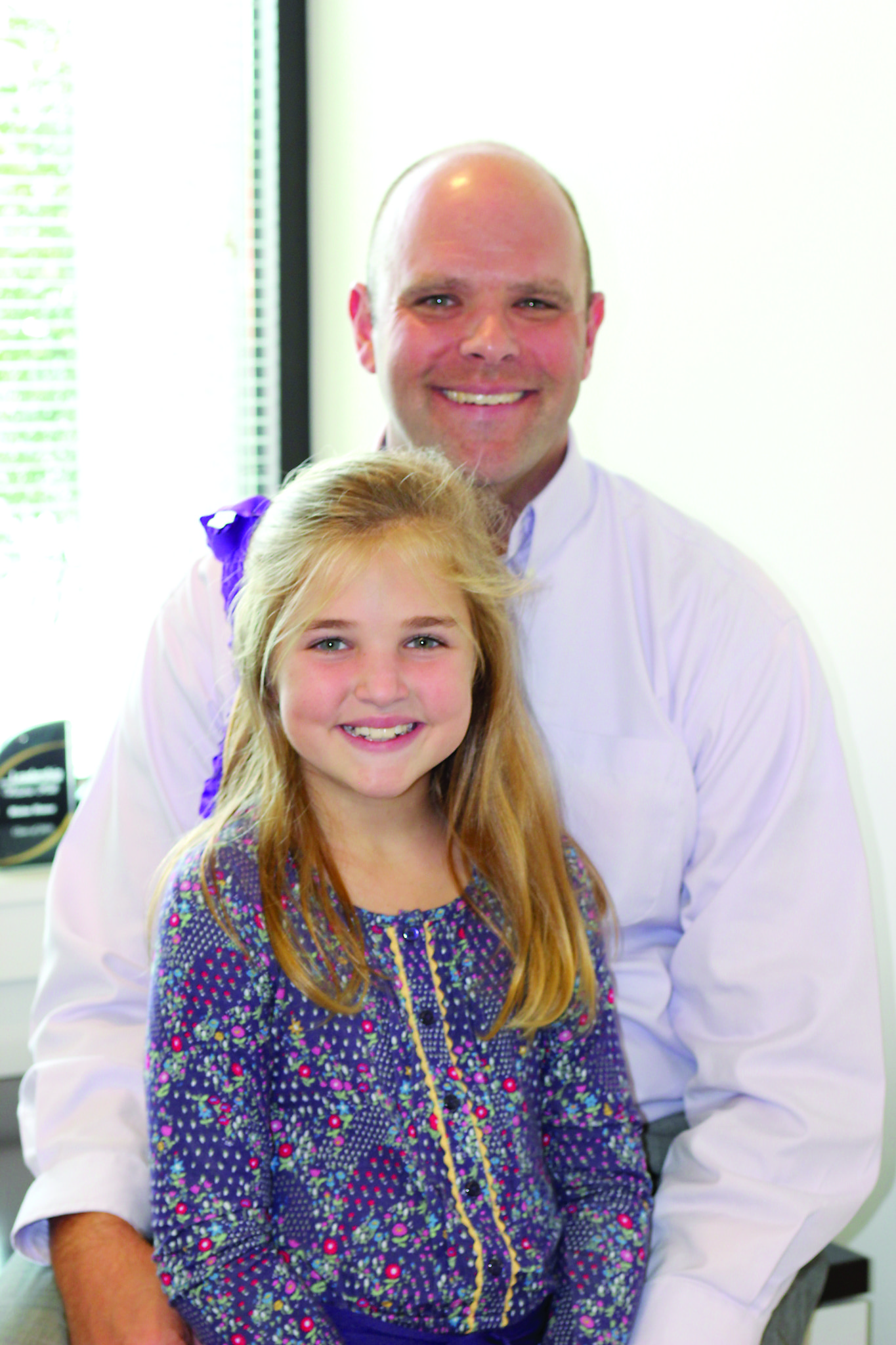
“We Know We Can Enter Back Into This Journey at Any Point”
Blood disorders are often grouped with childhood cancers because they usually have similar pathologies and treatments. At Children’s of Alabama, you’ll find the oncology clinic directly across the hall from the hematology clinic because patients often overlap.
The House family of Vestavia Hills never expected to find themselves in either. Parents of four, the two took their oldest, Maisie, to the doctor five years ago because her skin was showing signs of discoloration and bruising.
“It was one of those things where you’re sitting there with all of your kids getting ready to go to the grocery store and the doctor comes in and closes the door,” Blaine House, Maisie’s father, said. “It was 3 p.m. and they set us up with a 6 a.m. appointment at Children’s hospital the next day.”
After two weeks of extensive testing, the doctors diagnosed Maisie with aplastic anemia, or a total failure of Maisie’s bone marrow. At that point, although cancer was ruled out, Maisie became a patient of the oncology unit at Children’s of Alabama.
Her physician decided to treat her illness with a stem-cell transplant.
“It was an idiopathic diagnosis which means it was probably related to a virus,” Blaine said. “It was completely random. Transfusions kept her alive for six weeks while she prepared for the transplant.”
Maisie’s process was expedited because her parents had saved her umbilical cord blood. Otherwise, the transplant would have taken more than six months because the physicians would have needed to find a match for Maizie.
The Houses also were giving birth to their third daughter during the process.
“We were very lucky to live in the Birmingham area and to be able to travel back and forth,” Blaine said. “We had a six- to seven-month run and the staff at Children’s really just became a part of our family. They were our coaches, our teammates and our cheerleaders. We really became immersed in the mission of Children’s and their purpose.”
Blaine said he and his wife, Jennifer, had contributed to organizations such as Children’s Harbor for more than a decade before Maisie’s diagnosis.
“We were ready to give money and go to BBQs and get our corn hole teams together,” Blaine said. “But one day you’re standing there and your child has a severe life-threatening diagnosis and you’re personally impacted. You have survivor’s remorse because so many people have struggled longer or their children have passed away. We wanted to take what we have, which is a skill set and knowledge of how the hospital works, and mentor other parents.”
The Houses, including many members of their extended family, began working with the hospital’s Hope and Cope Psychosocial Program.
“A lot of people come here from out of town and they don’t have the common knowledge of a dentist to go to or somewhere to get their car repaired,” Blaine said. “We want to be on call to where they can seek us out and receive advice and meet someone else who understands what it’s like to go through this as parents.”
Because Maisie didn’t have a straightforward diagnosis at first, Blaine said that he and his family spent a lot of time just trying to find information.
“The hospital is great and they will do what they can, but our minds and hearts are driven to help the parents in this journey now and to give them the best information we can to make decisions, because at that point you have to become an advocate for yourself and your child,” Blaine said. “Once you’re put in that position you become desperate for information and advice so we want to be the family that can help. We could be back there tomorrow and we know that.”
Maisie, who turned nine years old last month, hopes to stay involved as she gets older.
“When I was in the hospital, there was a lady who came and played the harp for me,” she said. “Since I’m taking piano, I want to keep doing it so I can play ‘Twinkle Twinkle Little Star’ and other songs for the children.”