By Susan Swagler
“All foods fit.”
How’s that for a fresh start – nutritionwise – to the new year?
Those words came independently from both Sophie Burge Dolan and Sonthe Burge. They are registered and licensed dietitian nutritionists who also happen to be related; Sophie is Sonthe’s daughter. Through their separate clinical practices, these two women have helped people of all ages learn to eat better and feel better.
Meet the Experts
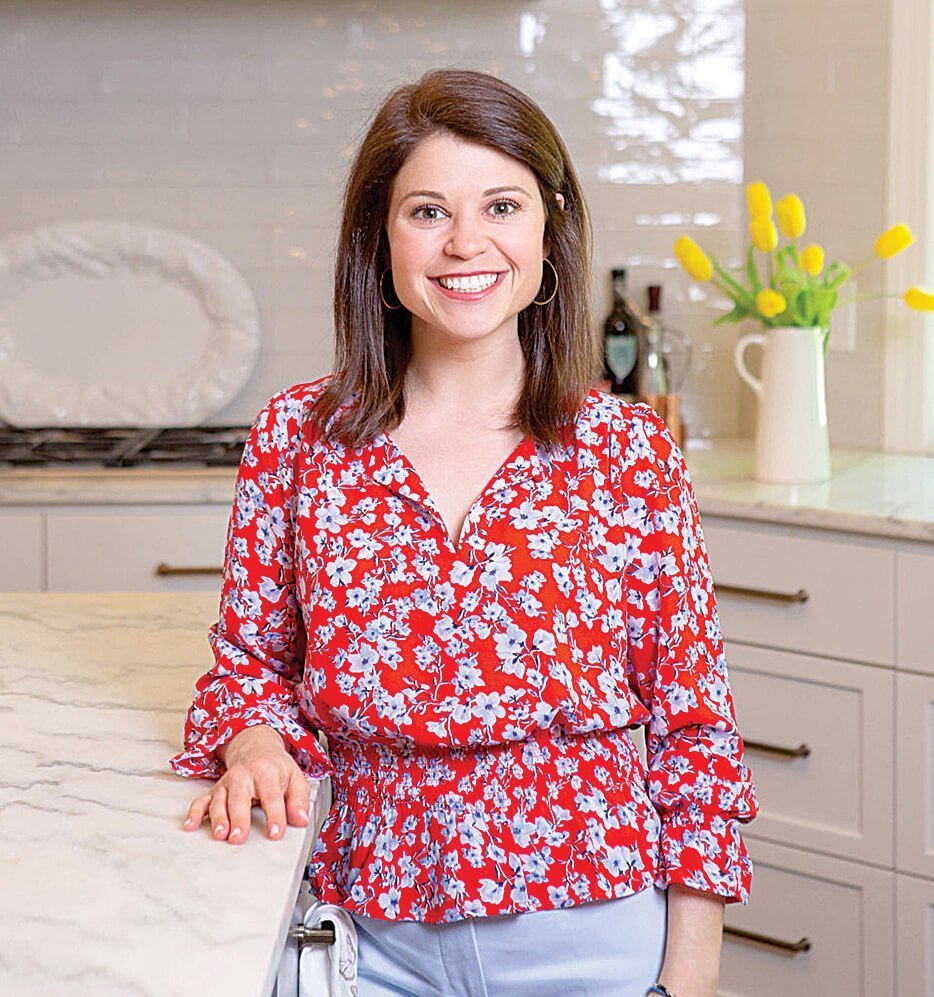
Sophie Burge Dolan MS, RDN, LDN, (top) is a registered licensed dietitian nutritionist and a Birmingham native. She has practiced clinically for eight years. Sophie lived in Boston and worked at Boston Children’s Hospital for six years in the gastrointestinal, surgery and endocrinology departments.
In 2022, she moved back to Birmingham and started her own private practice, Sophie Dolan Nutrition, where she specializes in gastrointestinal disorders and weight-management concerns for children and adults.
She provides one-on-one nutrition counseling, education and corporate wellness workshops.
In her free time, she teaches dance fitness classes and enjoys cooking, traveling and spending time with her husband, their 6-month-old baby and their friends.
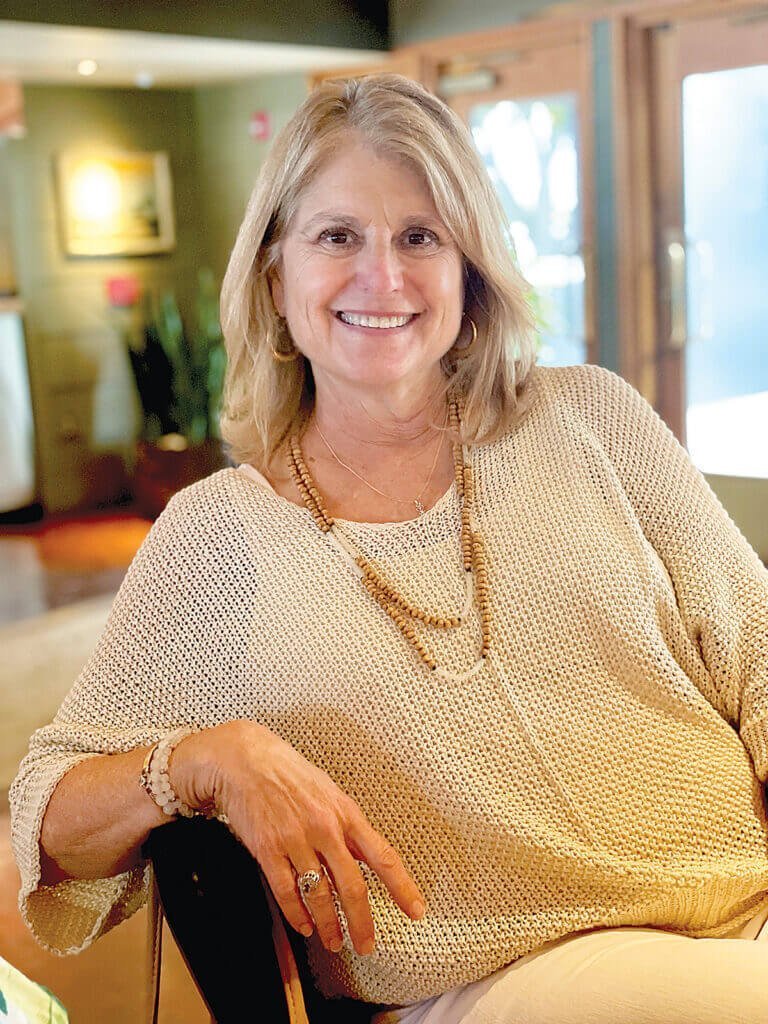
Sonthe B. Burge, RDN LDN, (above) is a registered licensed dietitian nutritionist and a home cook who has helped scores of women and men achieve their wellness goals. Sonthe has taken a break from her nutrition counseling practice and from Samford University, where she served as an adjunct professor in the Department of Nutrition and Dietetics and was instrumental in starting Samford’s Wellness Kitchen.
She continues to practice her love for cooking simple, delicious and nutritious meals at home for her friends and family. She is a member of The Academy of Nutrition and Dietetics, Birmingham District Dietetic Association and Les Dames d’Escoffier International Birmingham Chapter, and she’s an advocate for trusted sources of food and nutritional information.
What do they advise?
We asked Sophie and Sonthe for nutritional advice, because if you plan to start a diet during this new year, you probably won’t stick with it. Just saying. Most people don’t; restrictive diets have high rates of failure.
So, how do you lose the diet mentality, create a positive relationship with food and move forward in a healthier way?
The key is to start with small changes, create a sustainable plan, make healthy eating easy on yourself, and get expert advice. This is how you can set yourself up for success in the new year.
Start small.
Small changes can lead to big benefits. They should be realistic and achievable, which makes them easier to maintain.
“Start small with one thing you want to do,” Sonthe said. “It can be as simple as ‘I’m going to read food labels and reduce the amount of sugar in some of the things that I like to buy.’” Lots of salad dressings, for instance, have added sugar. “So, look for one that has either no added sugar or a little bit less added sugar, or learn to make your own.”
Sophie said she counsels her clients to be more mindful.
“We are all way less mindful than we used to be. We’re on our phones or we’re watching television while we’re eating, so we’re not tuning in, we’re tuning out, and that’s a problem. We can easily overeat. That’s something I definitely work on with my clients – slowing down, mindful eating, really listening to our body, and stopping when we’re satisfied versus stopping when we’re full.
“And then just find ways to move more every day,” Sonthe said. “It doesn’t have to be a lot, but we do need to move more.” Maybe you start with a walk during lunch one or two days a week. “We know that exercise increases our metabolism, so it gives you energy. It increases our positivity and helps with mild depression, too.”
Both women point out that we often forget about the calories we drink. Sweet tea, soft drinks, fancy coffees and alcohol easily add up in a day and over longer periods of time.
Fiber is something most Americans do not get enough of in their diet, Sophie said – that and water. Intentionally adding a source of fiber and just drinking more water each day are easy changes to make and monitor.
“People focus sometimes on outcomes instead of behaviors to get them to the outcome,” Sonthe said. “So instead of focusing on your weight, focus on behaviors that will help you get leaner and stronger, if that’s your goal. Or if you’re having GI issues that are troubling to you, focus on behaviors that you can do to help minimize those.”
Make your changes sustainable.
“I think a lot of people are just wanting to follow the ‘new sexy nutrition recommendation,’ and I’m really more about what’s sustainable,” Sophie said. “We need to keep it simple – with your fruits, your vegetables, your whole-grain products, your proteins. There’s so much nutrition noise out there, it’s sometimes hard to know what to do.”
Aim for “streaks,” Sonthe said. “By creating streaks and by seeing that you’ve done the same thing over and over, you’re creating a pattern and that becomes sustainable. Diets, shots and meds — that’s a short-term fix. And then what do you do after that? Studies show you gain (the weight) back, plus more.”
Creating streaks of healthy habits can keep you accountable, too, Sonthe said. And it can be as simple as keeping up with how many days you walk or move, how many days you’ve felt good, how many days you’ve hydrated properly.
“Focus on how you feel instead of necessarily how your clothes fit; eventually you’re going to like the way your clothes fit.”
A great way to begin to recognize patterns and habits and keep up with your streaks is to journal the foods you eat and how much you move. One method for doing that is using the MyFitnessPal app.
As far as dealing with setbacks, Sophie advises her clients to “get in front of it.”
Setting reasonable expectations is key. She sits down with her clients to look at what kinds of goals they are setting. Are the goals realistic for their lifestyle? How are they going to accomplish them?
“I find that so many people are biting off way more than they can chew right now,” she said. “Really, the key to keeping things sustainable, to keeping things going, it’s taking small steps. So, maybe I’m just going to focus on breakfast for these next couple weeks. I’m going to make sure my breakfast is really well-balanced. Once I master that, then I’m going to start thinking about drinking more water, or I’m going to move my body for 10 minutes every day.” It’s important to remember, she said, that “health and wellness is a journey. It’s never linear.”
Take it easy.
Sophie and Sonthe are adamant about making things easy on yourself –whether you’re cooking for one or two or, especially, if you’re feeding a family.
Think of this as practicing self-compassion, Sophie said.
“It’s really interesting,” Sonthe said, “that there have been some studies on the top stressors that people face, and what to feed your family is in the top three. It’s up there with financial problems and worrying about your children. It causes a lot of anxiety and stress and takes up a lot of mental space for people.”
Meal planning is key to easier healthy eating.
“I think the number one thing is we have to have a little bit of a plan,” Sophie said. “I don’t necessarily mean we have to sit down and think about every single thing we’re eating for the rest of the week. But we … have to have healthy foods in the house. I want to make those fruits and the vegetables and the nutrient-dense foods just as easy to grab as that bag of chips.
“It’s really difficult to eat healthfully without planning ahead,” Sophie added. She suggests a schedule of sorts. “Monday night’s always pasta. Tuesday’s always going to be some sort of taco night. Wednesday is going to be pizza night. It gives you a framework.” Then mix it up: pasta can be meatless or spaghetti and meatballs, tacos can be tacos or quesadillas or a taco salad.
Try these tips.
• “Have all the ingredients on hand for at least one recipe to make at home,” Sophie said. It’s a convenient back-up plan that takes some of the stress off you.
• Instead of a “batch cooking day,” have an easier and faster “batch prep day,” Sonthe said. Go ahead and chop the ingredients you’ll need for the week and put them in the freezer. Likewise, if you only need half an onion or a bell pepper for a recipe, chop the entire onion and pepper and put the leftovers in the freezer.
• Use minimally processed foods or convenience ingredients such as pre-washed or pre-chopped fruits and vegetables or even a rotisserie chicken to make meals come together faster. “Don’t underestimate the power of a rotisserie chicken,” Sonthe said. “You can take that chicken and put it in a soup, you can put it on a salad, you can make tacos.”
• “Beans don’t take a lot of preparation but are super nutritious and fast,” Sophie said. “I even love the 90-second rice packets.”
• Frozen vegetables are a nutritious shortcut to quick meals, and they often are already chopped.
• “Upgrade some of your cooking utensils,” Sonthe said. “Get a really nice nonstick pan.” Treat yourself to some good knives so you can prep easily and safely. “All you need are two knives. You need a chef’s knife and a paring knife, right? But make sure they’re good.”
Get good advice.
“All foods fit. They really do,” Sonthe said. “What that means is that you don’t have to be overly restrictive of certain foods. You need to understand how they fit into a well-balanced plan. That’s something a dietitian can help with.”
“I love to share with people that they don’t have to have a problem to come see me,” Sophie said. “I have clients who just come and say, ‘OK, I’ve run out of dinner ideas for my family; help me out.’”
She adds: “Most people with BlueCross BlueShield have three to six free nutrition appointments a year, with no co-pay. Most people don’t know that.”
The Affordable Care Act expanded access to nutrition counseling with a registered dietitian or a registered dietitian nutritionist for many people; check your individual plan for details.
Because everybody eats, everybody can benefit from expert advice.
A dietitian understands the science of nutrition and can look at your specific situation, your specific needs and can tell you how to go about meeting those needs with real food, they both said.
“A dietitian can also provide accountability and motivation,” Sonthe said. “We’re actually trained to do all of that.”
“We’re not the food police,” Sonthe added. “I used to meet people and they’d say, ‘Oh, you’re a dietitian. You’re going to tell me what I can’t eat.’ I’m absolutely not going to do that.” It’s more about how to eat what you love and eat it in a healthier way, she said.
“It’s so important that we eat the foods that we enjoy,” Sophie said. “That is a huge part of wellness and nutrition. I want it to be approachable and sustainable, relatable.”
Having a trusted source for nutritional information is like “giving yourself a promotion,” Sonthe said.
“Taking care of yourself is so important. Take time to sit down and talk with someone — with a registered dietitian — about how you can feel better and meet your nutrition goals.” Think of it, she said, as an investment in yourself.
Resources
Academy of Nutrition and Dietetics: eatright.org.
Jamie Vespa MS, RDN + Chef: @dishingouthealth.
Pinch of Yum: @pinchofyum.
Eating Well: eatingwell.com.
All Recipes: allrecipes.com.
New York Times Cooking: cooking.nytimes.com.
Erica Baty MS, RDN, CDE @itsaflavorfulllife
Dr. Yum Project: recipes.doctoryum.org (Meal-o-matic lets you create your own recipes!)
Harvard, The Nutrition Source: hsph.harvard.edu/nutritionsource.
Sophie Dolan: sophiedolannutrition.com