By Nausicaa Chu
The woman ascending the steps of the Victorian-style house on 14th Avenue South had an outwardly stable life—married in her 30s with three children. But nightmares had haunted her for years. She experienced night sweats, sleep disturbances, and anxiety.
The Victorian-style house belongs to Oasis Counseling for Women and Children. Oasis is a nonprofit organization that provides mental health services for women, children, and families who cannot afford therapy.
The Oasis clinical team helped the woman focus on a single traumatic memory: she had been sexually assaulted in college. The woman had repressed the memory for years. A week later, she reported that her nightmares were gone.
Such transformative impacts are not infrequent at Oasis. The organization has counseled thousands of women and children since its founding in 1995, according to Catherine Pittman Smith, Oasis’ Director of Development and Communications. Oasis charges clients on a sliding-scale, meaning that they pay as little or as much as they can afford. The average fee is $15.
In 1995, Anne Bruno LaRussa founded Oasis in response to America’s mental health crisis. In the 20th century, many insurance companies did not cover therapy. “She wanted to create a safe haven for people to have access to mental health counseling,” says Smith. LaRussa was small in stature but had an iron will. She cared deeply for women and children from underserved backgrounds, restoring three historic houses in Birmingham’s southside, wanting Oasis to feel safe and welcoming like home.
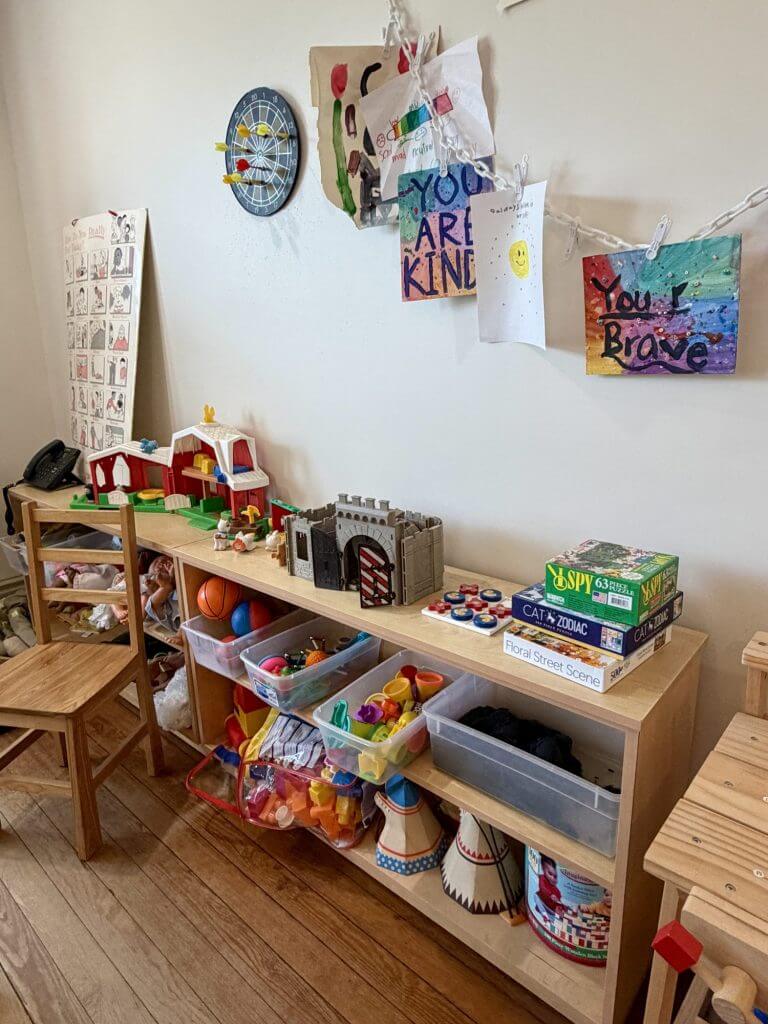
The Children & Adolescent House contains a wonderland of sand boxes, puppets, and bouncy footballs. These are the play therapy rooms, where children can express their emotions through creative play.
One such child was a young boy who was bullied at school. He came from poverty and struggled to show his feelings. “Through creative play, he was able to experience and own his feelings. And so over time, his sense of safety and confidence and self-worth really began to grow. And Oasis became a place of empowerment for him,” says Smith.
Another child was a little girl playing with a dollhouse. She placed all family figures out of the house while putting police and firefighters inside. “That told you a lot right there,” says Smith. The counselors read between the lines, recognizing that the girl’s parents caused her pain.
Oasis believes that family support—or the lack of it—can make or break someone’s healing process. “The problems don’t lie with just one person, says Smith. “You can go in and get help and learn how to deal with your trauma, but if family members at home don’t know how to support, respond, or communicate, then things most likely won’t change. We want family members to be aware of ways to support their child,” says Smith.
In 2011, a mother and daughter came to Oasis in a time of financial difficulty. The mother received counseling in one house, while her daughter played in the sandboxes in the neighboring building. The experience benefited them both. “Counselors are well trained and are very responsive to the different needs of adults, teenage girls and children,” says Smith.
Not everyone can get to the Oasis. Some people live outside Birmingham and can’t afford the gas to drive in. That is where teletherapy comes in: Families can receive counseling virtually. Smith estimates that Oasis’ teletherapy sessions reach people from approximately 25 counties in Alabama. In 2025, 38% of the organization’s mental health sessions occurred via teletherapy.
Oasis counselors also travel once a month to Freedom Manor, a subsidized senior citizen housing facility in downtown Birmingham. They host a group of women ages 55 and up as part of the Oasis Wise Women program. “They talk to them about issues of aging—the isolation they feel, the grief they feel. Just to really bring them together and create some community,” says Smith.
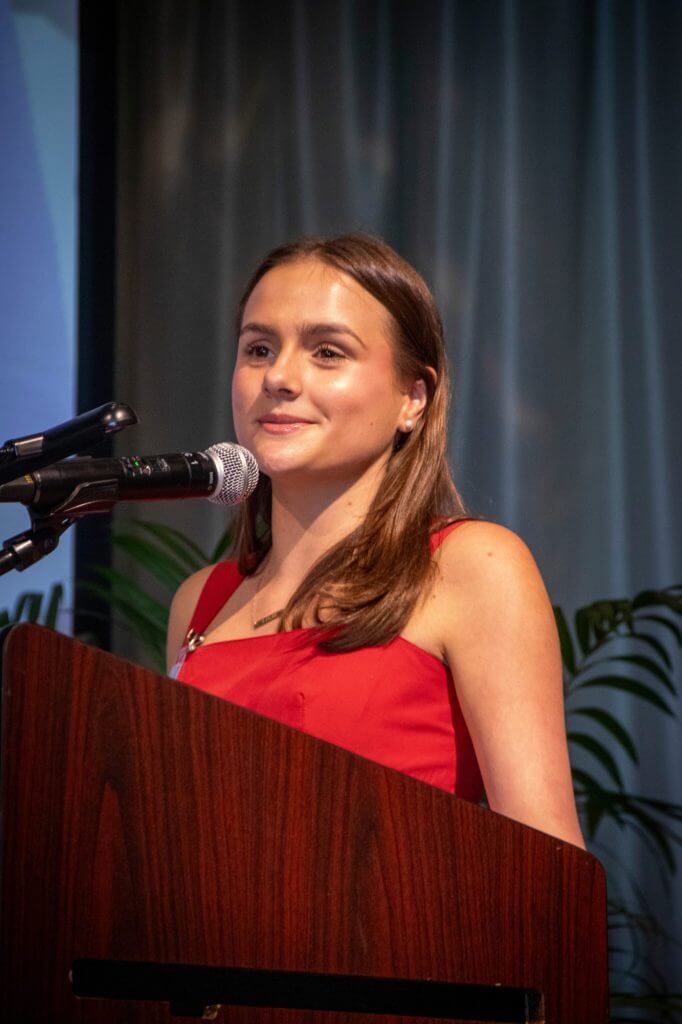
In April, the organization hosted its annual Oasis of Hope fundraiser. Lulu Gribbin, a 17-year-old who survived a life-changing shark attack, gave the keynote address. “Her story is inspiring for people to find hope, healing and resilience,” says Smith. The event also honored Kenneth Byrd, an executive with Protective Life for his 14-year service and leadership on Oasis’ board.
Perhaps the best evidence of its impact is this: Smith works next door from an office where, 15 years ago, a mother received counseling while her daughter played in a sandbox next door. That mother was Smith.
To support Oasis or learn more, visit oasiscounseling.org