By June Mathews
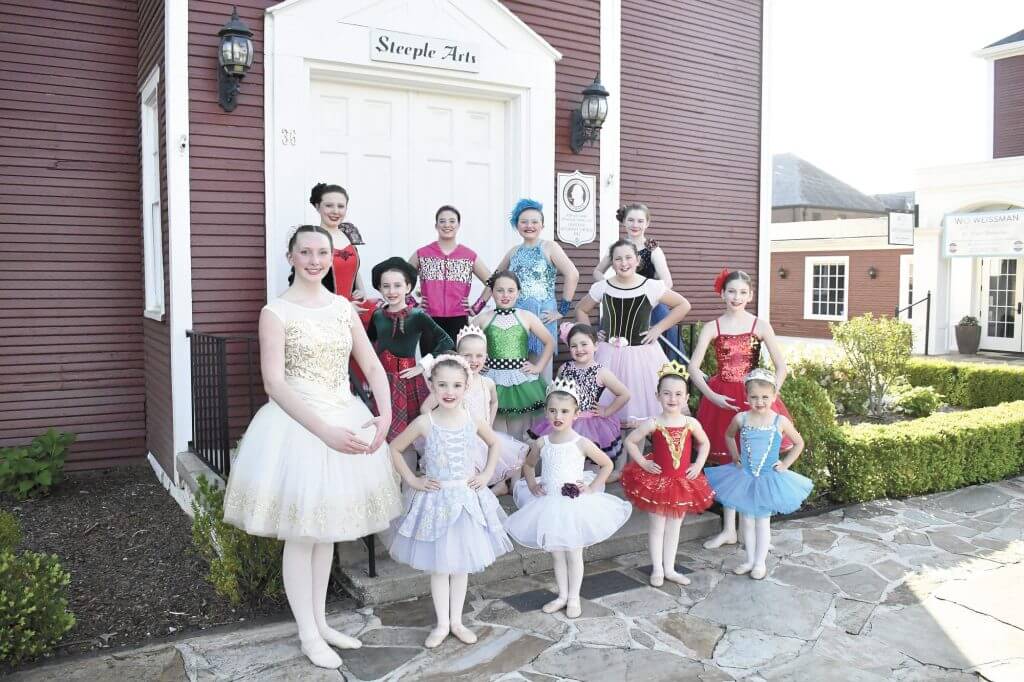
The instructors at Steeple Arts Academy of Dance in Mountain Brook are not just teachers of dance. They are instillers of discipline, purveyors of social graces, builders of confidence and keepers of the flame for one of the most respected programs of traditional dance around. Their highest goal is for students to become the best they can be, not only in dance, but also in life.
“We’re not so focused on a student’s talents or ability as we want them to learn to love the art of dance and to have a passion for it,” says Deanny Coates Hardy, third-generation director and instructor at Steeple Arts. “They don’t have to be a perfect dancer. We just want each child to do their best, feel good about themselves and not compare themselves to others. Many schools today are all about competition. For us, it’s about the love of dance.”
And the key to fostering a love of dance, Hardy believes, is standing on the traditions that have guided Steeple Arts and its students for nearly a century. The very essence of tradition appears in the quaint old church that serves as the school’s studio.
Tucked amidst—but somehow apart from—the bustle of Church Street in Crestline Village, the Steeple Arts building has served as a local landmark since 1912. Many years before becoming a dance school, it was home to Crestline Community Church, which became Mountain Brook Methodist, which merged with Canterbury United Methodist in 1948.
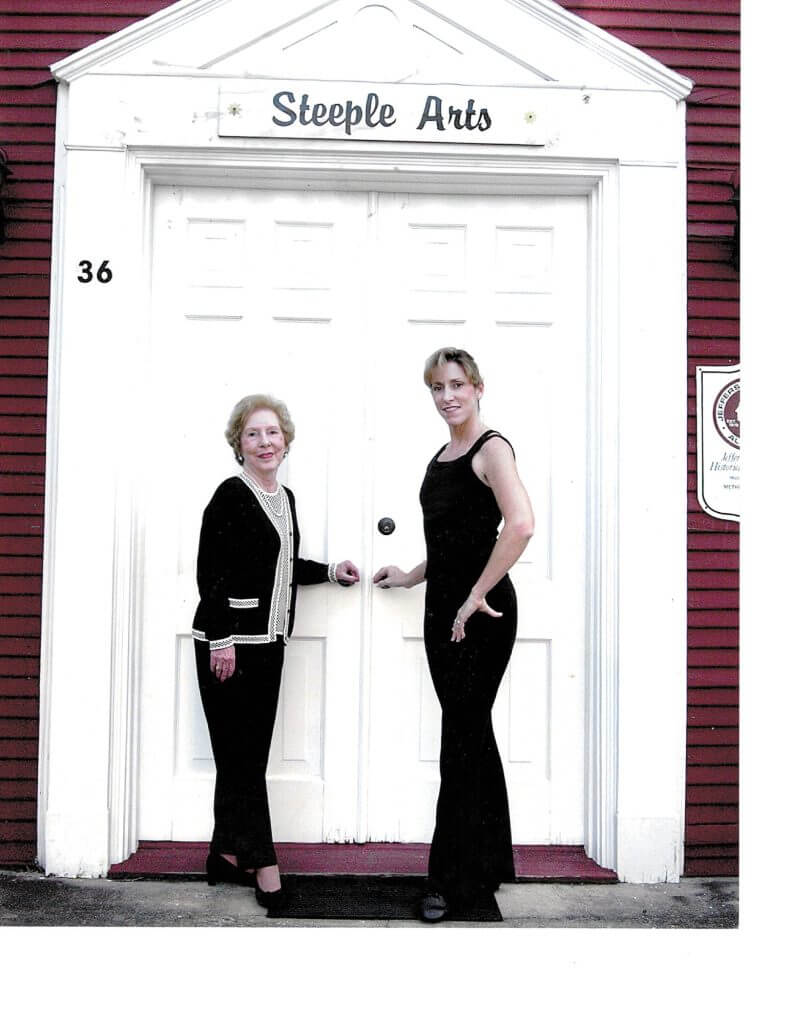
“Our main studio was once the church sanctuary,” says Hardy, whose grandmother founded the Lola Mae Jones School of Dance in 1935. “Before moving to Crestline, the school was in an upstairs space above the old Browdy’s in Mountain Brook Village. When my grandmother bought this building in 1958, she renamed the school Steeple Arts Academy of Dance, and through the years, she and my mother, Lola Mae Coates, added more space.”
Now celebrating its 90th year, Steeple Arts is an institution among dance families in Birmingham’s over-the-mountain community. The photo-lined walls of its rooms attest to its rich history of dance, its numerous students past and present and the biennial Steeple Arts’ performances, meticulously designed to last 80 minutes and to convey that all-important sense of tradition and grace. “We’re into our fourth generation of students and are now teaching some students whose mothers I taught, and whose grandmothers my mother had taught,” says Hardy. “That legacy is so special.”
Carrying on that legacy is made easier through several former students who “came home” to where their own journey of dance began and now serve as Steeple Arts instructors. “Most of our teachers grew up dancing here,” says Hardy. “They started out as assistant teachers, then my mother taught them how to teach and turned classes over to them. So, we all—especially some of us who have been here a while, like Bee Lewis, Annette Troxell Collins, Lucy Spann and me—understand the tradition and the uniqueness of what Steeple Arts is all about because we all grew up here, and we want to keep it going.”
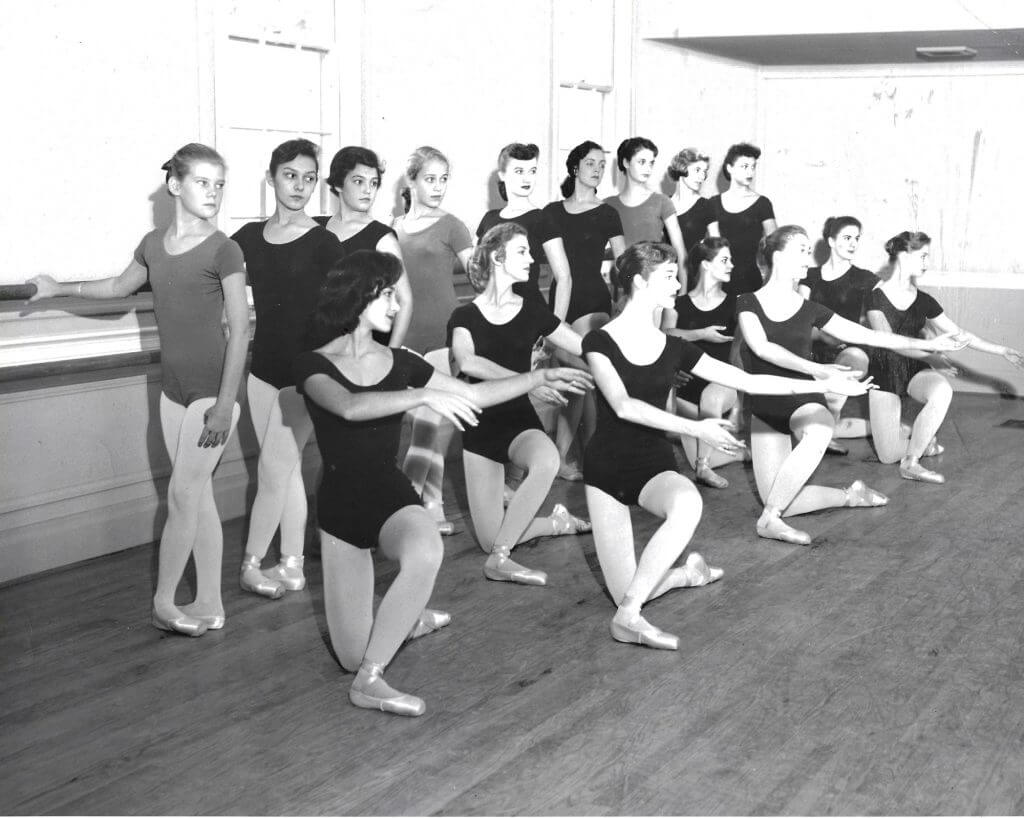
Because of that history, teaching at Steeple Arts involves more than teaching pliés and pirouettes. A traditional dance program also means training students in proper behavior, including respect for instructors, classmates, the studio (or stage when performing) and the art of dance. “We teach manners,” says instructor Bee Lewis, “and we have a level of expectancy for each student. We don’t put up with a lot of nonsense, but we have a lot of fun at the same time. There’s a balance.”
When students come to the studio for lessons, they are expected to dress properly according to age in either blue or black leotards, to speak cordially to their teachers, pianists and peers and to overall use their “ballet manners.” In the process, they develop social skills that will stay with them the rest of their lives. “Not only are they progressing through ballet skills,” says Lewis, “but you see them become more confident. They open up, and you can see them developing friendships. Making friends is not always easy for girls, and these are friendships of people they would have never met if they hadn’t come here.”
Friendships are also formed in Steeple Arts’ ballroom dance classes, a six-week long program for sixth-grade girls and boys to which the girls come in dresses, white gloves and heels and the boys in coats and ties. Nowadays, however, the social aspects of the ballroom compete with a non-traditional element: technology.
“We teach the ballroom students etiquette and manners,” says Hardy. “But when we first tell them to have a conversation with their dance partner, they just stare at each other because they’re so used to texting. They can text and have a great conversation, but face-to-face, they panic. By the end of the course, though, they’re much more comfortable talking together.”
But with or without the distractions of technology, Hardy says, the traditional aspects of Steeple Arts programming will continue. “Parents still want and appreciate our emphasis on tradition,” she says, “They’re not succumbing to the social pressures, so we’re still going with it after 90 years.”
But what about the future? “Everybody asks if Steeple Arts is going to make it to a hundred,” says Hardy, “and I say, the Good Lord willing, we’re going to try. My mother always told me that the day I stop dancing is the day I’ll get old. So, I’m not going to stop dancing.”
Steeple Arts Academy of Dance proudly presents its biennial production “Dance Around the World” at Samford University’s Wright Center on Sunday, May 3, 2026, at 3 p.m. Showtime is approximately 80 minutes.