By Nausicaa Chu
They are mothers and fathers, grandmothers and grandfathers, attorneys, CEOs and shopowners. They are also cancer survivors—in that order.
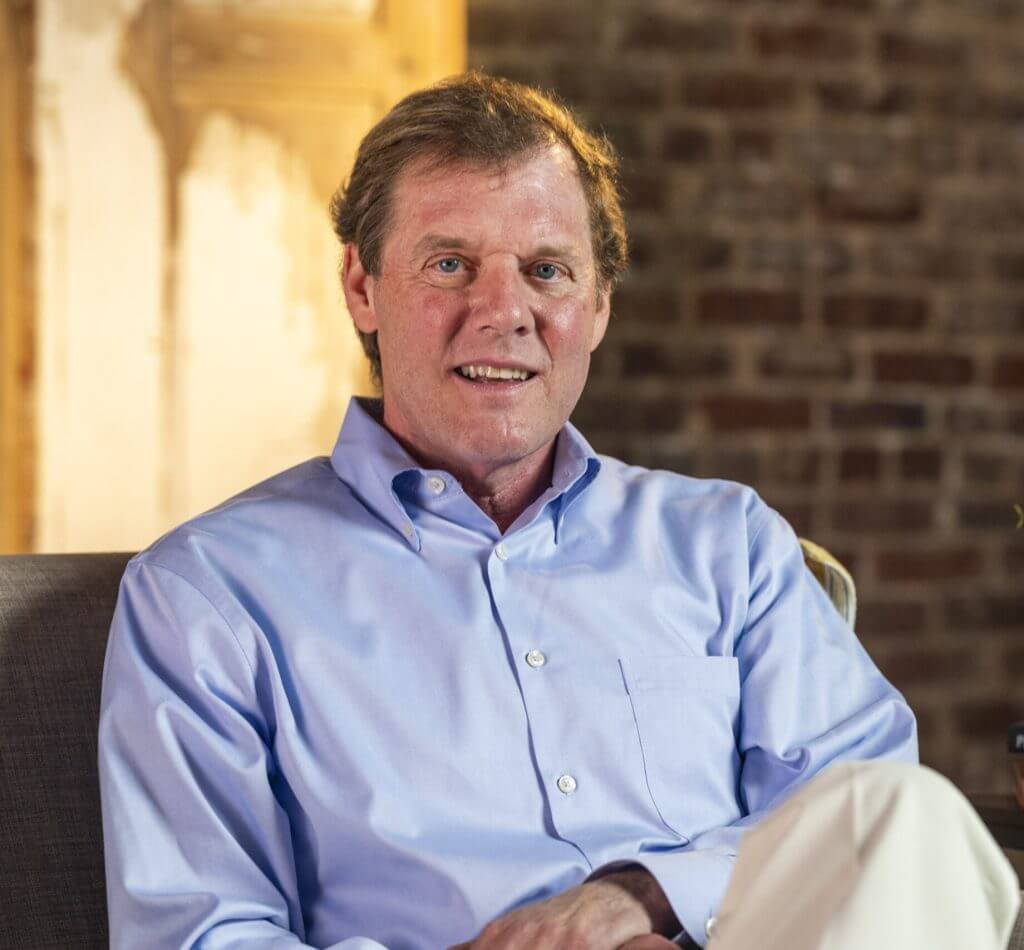

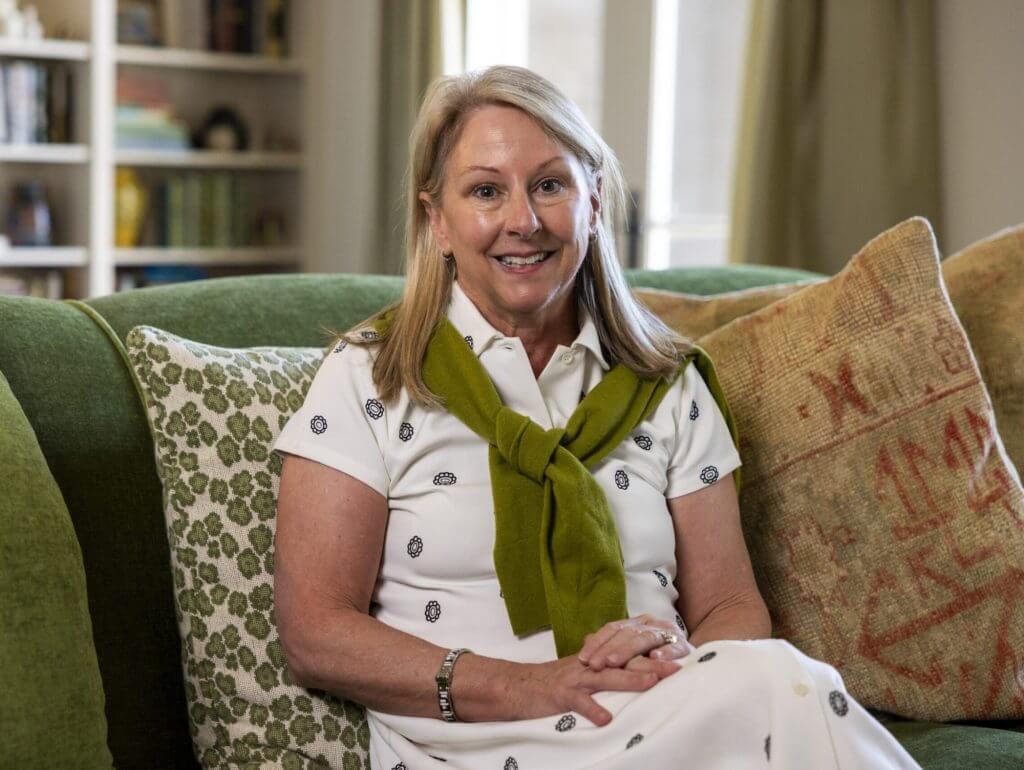
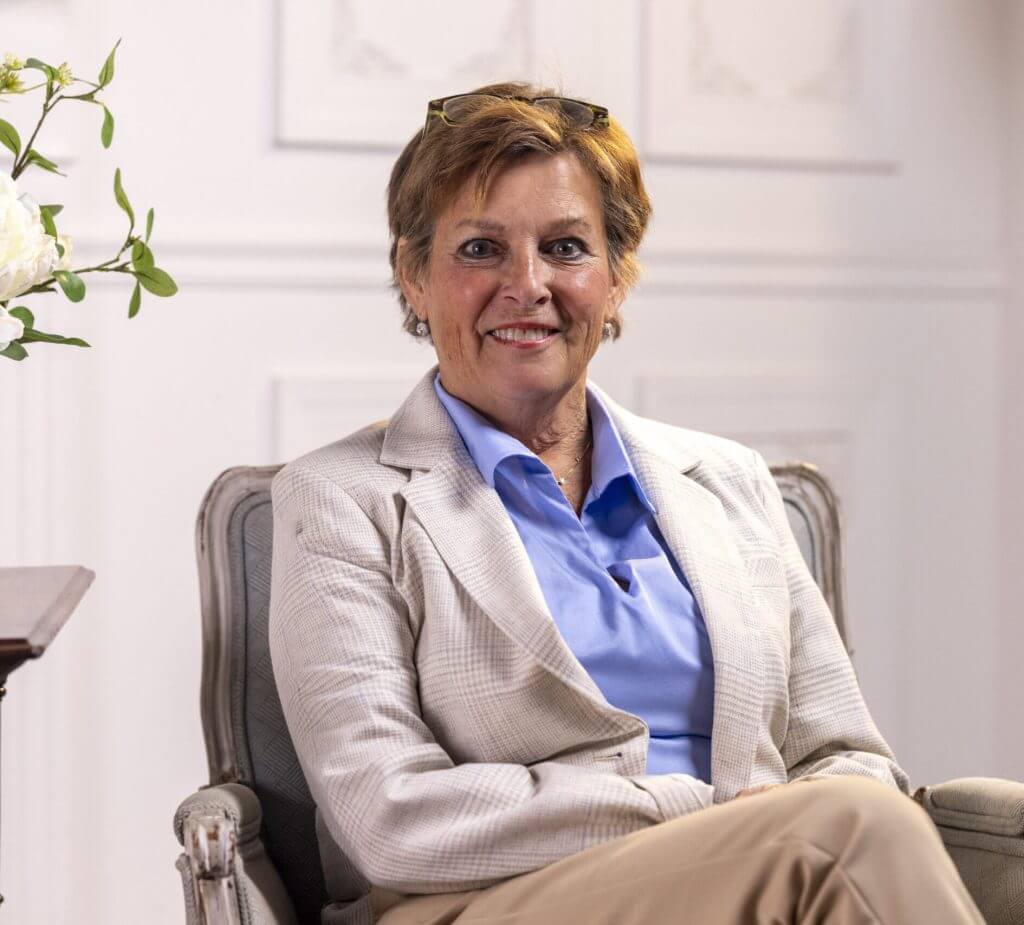
For Jim Proctor, Lynn Ritchie, Tricia Kirk and Lauren DeMoss, cancer is but one part of a bigger life story. On August 23, they will tell these stories on stage as honorees of the Hope Gala, the American Cancer Society’s (ACS) annual fundraising event in Birmingham. The event will raise money for the ACS and Joe Lee Griffin Hope Lodge, ensuring that cancer patients can receive free lodging while undergoing treatment—and that the disease will not define their lives, either.
The honorees never expected to be on that stage. Proctor’s life changed overnight, when the Senior Vice President at McWane, Inc. had a nightmare about his golf swing and woke up with a limp arm. Thinking he had a stroke, he rushed to the hospital, only to discover that he had brain cancer. “Needless to say, that was a shock,” says Proctor in a video created by the ACS.
In 2012, Ritchie, owner of the Mountain Brook Village boutique A’mano Gifts, got a clear mammogram. Three months later, she found a lump, but her doctor said it was just a cyst—“nothing to worry about.” The next year, technicians ordered an ultrasound, found a mass and immediately called in a doctor. “I could tell she was concerned because she immediately ordered a biopsy while I was still there,” says Ritchie, who was diagnosed with breast cancer.
After receiving her diagnosis of Stage 4 lung cancer, Kirk, retired CEO of The Exceptional Foundation, a nonprofit that provides services for people with intellectual disabilities, vowed to battle the disease. She recalls telling her daughter, “yes, we have a situation here, but God also made our personalities to be fighters. He made me competitive, and he made me a winner.”
Research has emphasized the importance of whole-person care: treating patients as not just people with physical ailments, but people with lifestyles, relationships and beliefs. The honorees’ lives are not bound by the word “cancer”—rather, they focus on spending time with children and grandchildren, friends and their careers. “What I went through does not define me,” says Kirk. “I have done a lot of other things and I’ve got lenty of time left to try to do as much as I can.”
The goal of the ACS is to support the entire life of a cancer survivor, not just the treatment process. “They spend more of their time focused on the whole patient and how to meet the needs of the non-treatment aspects of care than they do the actual treatment,” says Jordan DeMoss, Lauren DeMoss’ husband and Executive Vice President at UAB Medicine.
The Hope Lodge is the linchpin of this mission. The 33-room facility provides free housing, food and activities for patients undergoing cancer treatment, many of whom come from rural areas with limited access to hospitals.
The UAB O’Neal Comprehensive Cancer Center is the only National Cancer Institute-certified comprehensive cancer center in the state, meaning that Birmingham residents have access to quality care and advanced treatments as well as the comfort of their homes. But for those who have to travel for tens, or even hundreds, of miles to UAB, cancer treatment is just one of many worries. They also must find a place to stay, pay for food, and travel to the hospital—all while lacking basic amenities like a functional kitchen and laundry room.
The Hope Lodge is located near the hospital, providing an easy commute. It also has outdoor spaces, a library a fully-equipped kitchen, computer access, and volunteers. But it provides more than tangible benefits: visitors find a supportive community of volunteers and fellow survivors.
“The Hope Lodge is a loving, caring place for people in need of help, company, and companionship,” says a guest from Maryland in a comment on the ACS website. “I met so many wonderful people in my same situation, and that makes the time and treatments bearable. It is like coming home every day to friends.”
So far, the ACS’ nationwide Hope Lodge program has saved cancer patients 61 million dollars in housing costs. The Hope Gala aims to raise one million dollars to further this mission, a goal that—if attained—would set a new record for the most money raised at the gala.
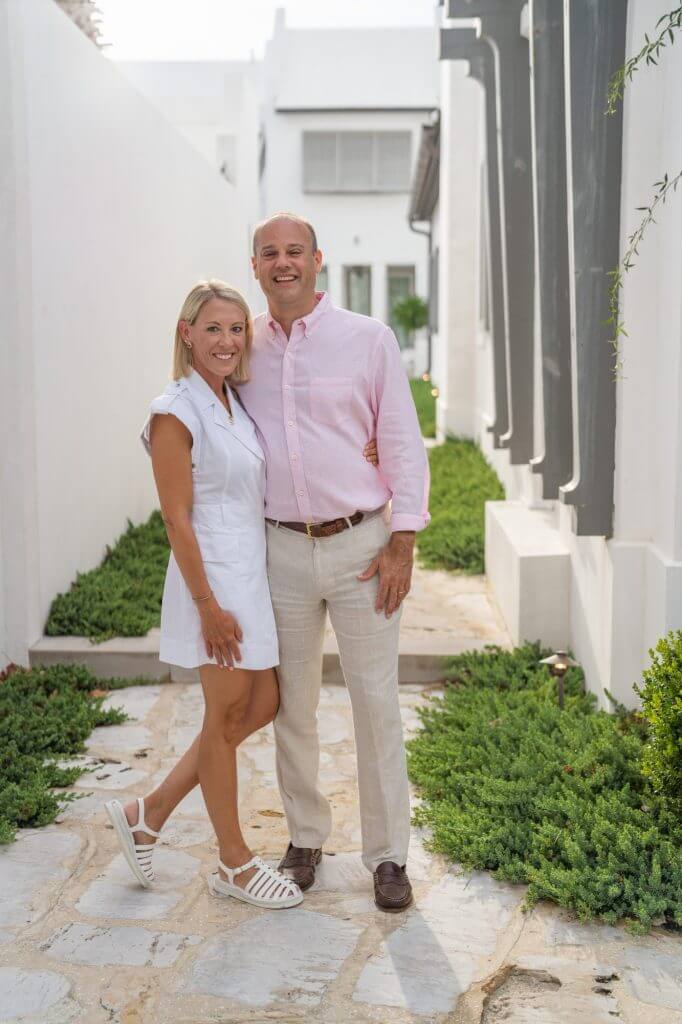
“We know it’s an ambitious target, but we truly believe it’s within reach—especially with the incredible support and generosity of those who stand behind this cause,” says Neillie Butler, co-chairperson of the Hope Gala alongside her husband, Tom Butler. “Cancer has touched my life in deeply personal way—through my own journey and through the experiences of close friends and family. Taking on the role of Chair for this year’s Hope Gala is more than an honor; it’s a commitment to a cause that’s incredibly close to my heart. I want to do my part in making a meaningful difference in the lives of those going through this horrific battle.”
The words “hope” and “cancer” might seem antithetical. But just as the honorees never expected to be on the Hope Gala stage, the very existence of that stage—and organization as a whole—is surprising.
In the earliest writings about cancer, an Egyptian textbook simply said that “there is no treatment.” The Greek doctor Hippocrates referenced the word “crab” when naming tumors carcinos and carcinoma, describing how the disease spread in a crab-shape—a seemingly unstoppable killer. Even into the 20th century, cancer was not understood and major carcinogens (causes of cancer) had yet to be identified.
But as research grew more advanced, cancer became—astoundingly—treatable. At a time when the word “cancer” was taboo to even say in public, 10 doctors and five laypeople founded the ACS to raise awareness about the disease and ways to prevent it, such as by not smoking. Since 1946, the organization has invested 5.6 billion dollars in cancer research.
Cancer is no longer a guaranteed death sentence, but a disease that a person can battle against—and win. It does not define a life. “Hope” and “cancer” are not incompatible words; rather, they go together. “My advice for those diagnosed is to take a deep breath and know that you are stronger than you think you are and that you have a whole community around you,” says Lauren DeMoss.
When he received treatment in the hospital, Proctor saw a young boy without hair undergoing radiation therapy. “As I was walking down the hall, it occurred to me that young man was going through a much more difficult situation than I was going through,” he says. “I’m 66 years old. I’ve had a great life and have had a lot of great blessings. But that young man deserves an opportunity to live his life as well.”
At the end of radiation treatment, the hospital staff celebrates and the patient rings a victory bell. Proctor views the bell as not only a physical object, but the action of supporting others—of ringing hope into even the darkest of situations. “Ring the bell for that young man and others like him. Ring the bell for the families who are suffering while their loved ones are in pain. Ring the bell for someone you know who is suffering from cancer. Be there for them and ring the bell,” he says.
For more information about the Hope Gala or to donate to the American Cancer Society, visit birmingham.acsgala.org/.