By Mary Clare Ingram
Photos by Jordan Wald and Courtesy BridgeWays
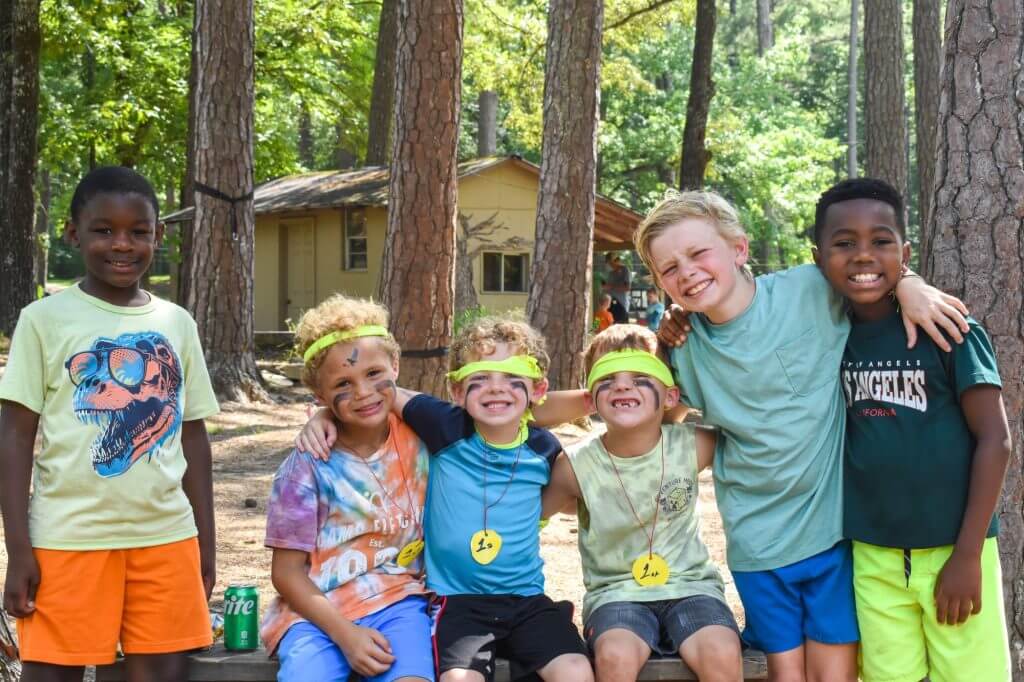
Pauline Bray Fletcher opened Camp Fletcher in 1926, and now, a century later, the camp keeps her legacy at the forefront of their mission. Now operating under BridgeWays, the camp serves over 1,000 children and youth each year in Alabama.
Fletcher, the first African American registered nurse in Alabama, established the camp in Bessemer, just 23 miles outside of Birmingham with the goal to improve the health of children through movement and being outdoors. “We are very intentional about preserving her core values for the healthy development of children through everything that we’re doing,” says Nancy Meadows,BridgeWay’s chief executive officer.
Staff, counselors and campers are continuing into a new century memorializing Fletcher’s mission and commitment to bettering the lives of children in a time when they believe human connection has taken a back seat to social media.
Meadows says Camp Fletcher isn’t a bells-and-whistles camp. “We don’t teach water skiing or horseback riding,” says Meadows, “but we focus on supporting campers’ goals and building connections through outdoor activities and face-to-face conversations.”
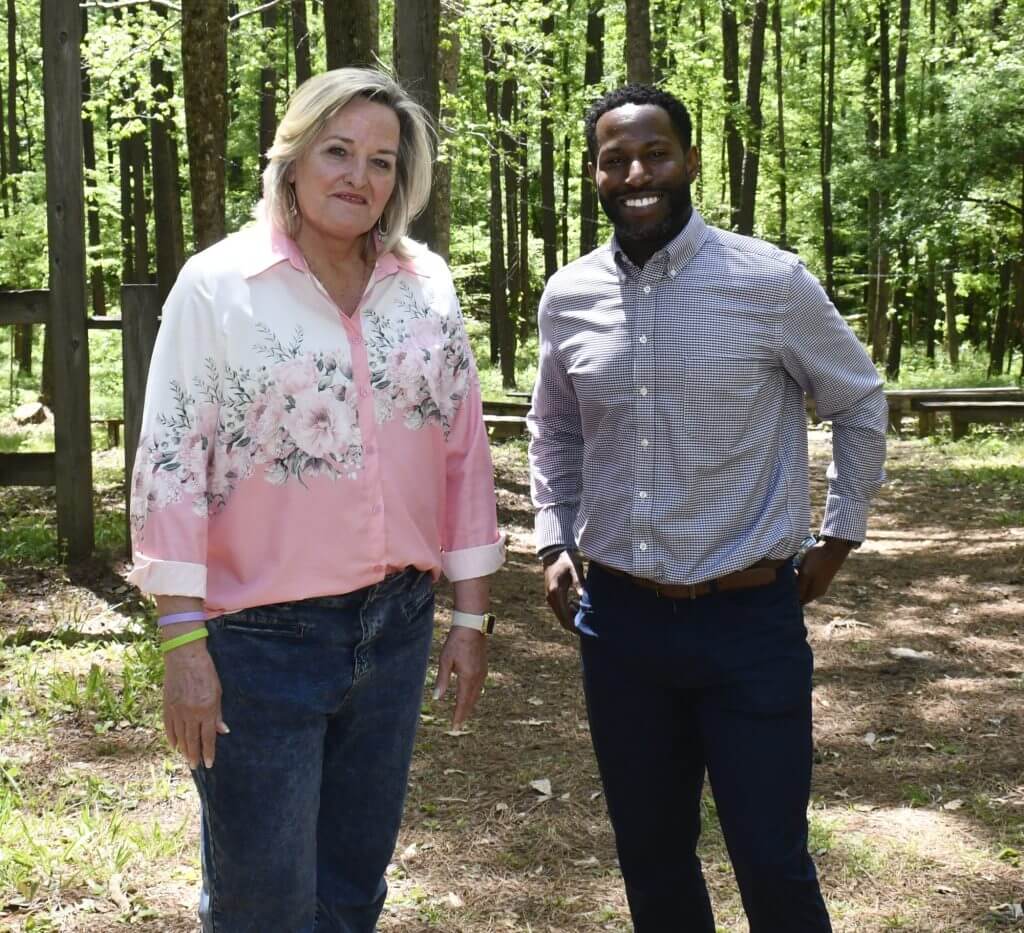
Marcus Harris was a counselor at the camp while in college and applies the values he learned there today as a vice principal at Homewood High School. “It’s all about the campers and how you help them help themselves,” Harris says. “And we end up becoming better people too.”
Harris was a residential director and worked in athletics at the camp, guiding campers through outdoor activities like hula hooping, canoeing and kickball. This summer, “we are introducing a bell in the dining hall,” he says. “When campers accomplish a goal they set for the week, they will ring the bell at lunchtime and celebrate with their fellow campers and staff.”
Meadows says Fletcher focused on the children’s health, hard work and courage. She works to continue Fletcher’s legacy today through the Pauline Fletcher Trail and opportunities for children to visit the camp on field trips during the school year, and of course as summer campers.
Fletcher originally opened the camp to serve African American children in Birmingham, since there were no camps they were allowed to attend in the 1920s. Soon after, Baptist women in Birmingham wanted to help, and the camp became a place for children and volunteers of all races and creeds.
Harris’ grandfather attended the camp and shared his memories of swimming and other activities, all of which made Harris want to be a part of the camp that meant so much to his grandad. “It meant a lot to me to be able to work there, knowing that it gave minorities like my grandad opportunities to have an experience he otherwise would never have had,” Harris says.
The founding and maintenance of the camp didn’t come easy. Challenges included the Great Depression, World War II, Ku Klux Klan raids and the Civil Rights Movement in the 1960s. “There were so many reasons for her to quit,” Meadows says. “But she didn’t because of her vision and her passion for the health and wellness of the kids.”
Now, Meadows and Harris emphasize the importance of Camp Fletcher as a way for kids to disconnect and build relationships away from technology. Meadows believes advances in technology and communication leave us feeling more isolated. “There aren’t many spaces left where kids can run, play and explore in a safe environment,” she says. “Our camp is one of the few remaining.”
She recalls one camper saying that “Miss Nancy’s talk time,” when Meadows sits down with campers to hear about their camp experience, was like real-life FaceTime. She says that as a society, we are looking for a place to feel known and accepted as spaces become digitized. “When there’s no social media involved, and you don’t have these people that know anything about you, you get a fresh start,” Harris says. “Camp Fletcher is a place where people can be carefree and let go of expectations.”
Harris carries the values he learned and taught at camp into his role as an educator, working to recognize students’ interests and strengths and help them lean into them and build connections between themselves and others. Harris sums it up: “Camp Fletcher is the perfect place to build relationships that matter, starting with yourself.”
Camp Fletcher and BridgeWays Events
S’Mores & Pours
June 4 • Avondale Brewery
5-9:30 p.m.
Join the BridgeWays Junior Board at Avondale Brewing Company for the 14th Annual S’mores & Pours fundraiser. Enjoy Taco Mama along with a selection of Avondale’s finest brews plus raffles, drawings, pop-up shops, vendors and local artists showcasing their talents. Also, activities for the kiddos and treats for
the furry friends, all set to the lively tunes
of T.U.B—The UnKnamed Band.
The Kathleen P. Bruhn
Memorial Leadership Open
Greystone Golf & Country
Clubs’ Legacy Course
August 27 • 8:30 a.m.-3:00 p.m.
In addition to BridgeWays awarding a scholarship for general education expenses to a local high school senior, over 100 golfers enjoy a day on the links (including:
Bloody Mary breakfast bar, breakfast buffet, adult beverages, putt-off and on course
competitions, lunch buffet and top-team prizes. To sign up for an event volunteer
and donate some much appreciated money, visit bridgewaysal.org.