By Kaitlin Candelaria
Break out the cake and candles — the Birmingham Zoo is celebrating 60 years of wild fun in Birmingham.
To kick off the 60th anniversary birthday weekend, the facility reopened two of its existing exhibits after making updates and expansions. The Schaeffer Eye Center Lorikeet Aviary and Wildlife Show were both re-launched April 2 for guests to enjoy.
Festivities continued throughout the weekend. On April 4, the first 60 guests to arrive were treated to free 60th anniversary tote bags, buttons and Bud’s Best Cookies.
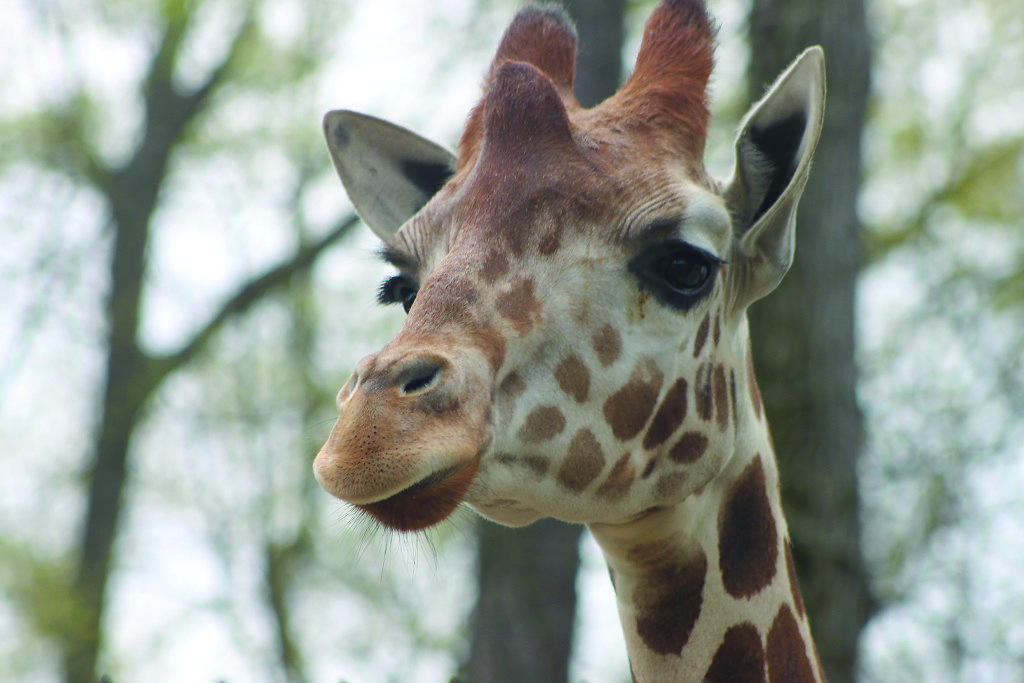
Attendees also got to experience a wide range of activities including an interactive drum circle, playing “Simon Says” with the elephants, feeding the giraffes and face painting.
On Sunday, all guests born in or before 1955 got free admission to the zoo.
Early Days
The idea for a zoo for the Birmingham community was born on the coattails of the second World War. The Junior Chamber of Commerce, Elton B. Stephens and Birmingham Mayor James Morgan were all instrumental in forming a zoo commission that set out to raise funds for the project.
Almost 10 years after the idea had originally been presented, the Jimmy Morgan Zoo opened on April 2, 1955.
The original zoo spanned 50 acres and was opened on a budget of $250,000. It included Monkey Island, an elephant house, a bear moat, a birdhouse, a snake pit and a seal pool.
In November of that same year, the Birmingham City Commission took control of the zoo and hammered out a $663,00 annual budget. As the facility began to grow and expand, the Birmingham Zoological Society was founded to raise money for the organization.
Over the next 45 years, the Birmingham Zoo received less and less support from the city as other priorities emerged. A lack of funding left the facility unable to operate at an acceptable standard, and no leaders emerged to save the crumbling facility.
In the 1990s, the zoo was dealt a major blow when it lost its accreditation by the Association of Zoos and Aquariums due to subpar standards.
 In 1995, Birmingham Mayor Richard Arrington took a stand for the future of one of Birmingham’s most treasured attractions. Arrington worked closely with community leaders to form a board of directors and generate government funding. In 1999, Birmingham Zoo, Inc. emerged as a privatized nonprofit organization and regained its accreditation through the AZA.
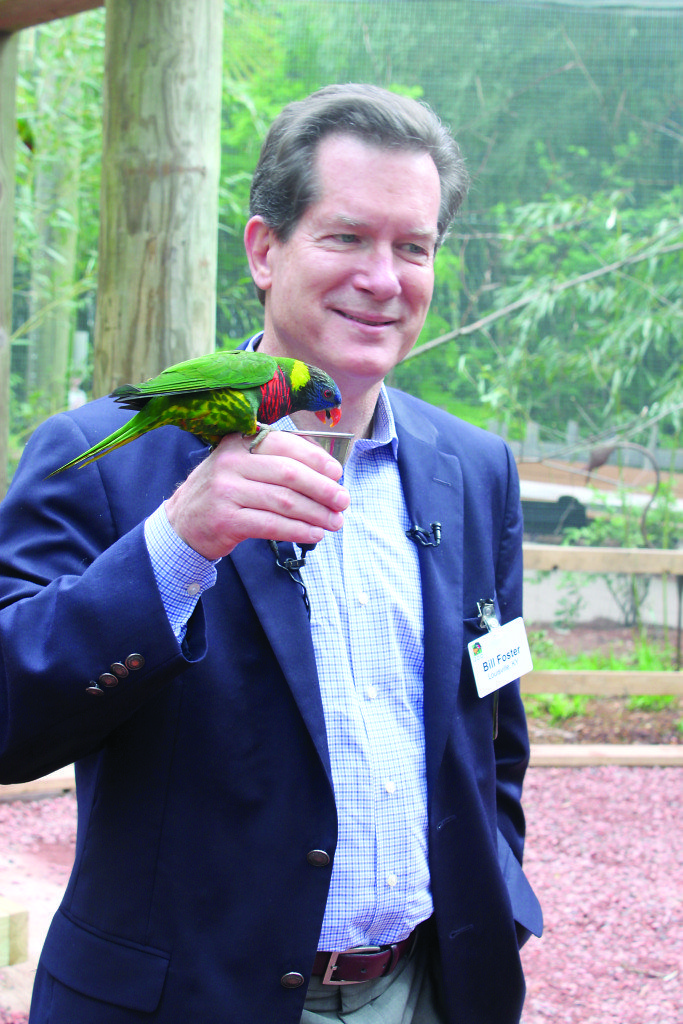
In 2004, Chief Executive Director Bill Foster came on board. Foster, who had been the executive director of the Louisville Zoo, brought to the table a zoo management authority that was respected at a national level by the zoo community.
“I’m humbled by being the director here at the Birmingham Zoo,” Foster said. “I’ve been here for about 11 years. I came on the shoulders of people who started the institution 60 years ago. They saw that this community needed something very special. The zoo started with humble beginnings, and after 60 years, it’s got a new life.”
 High Standards
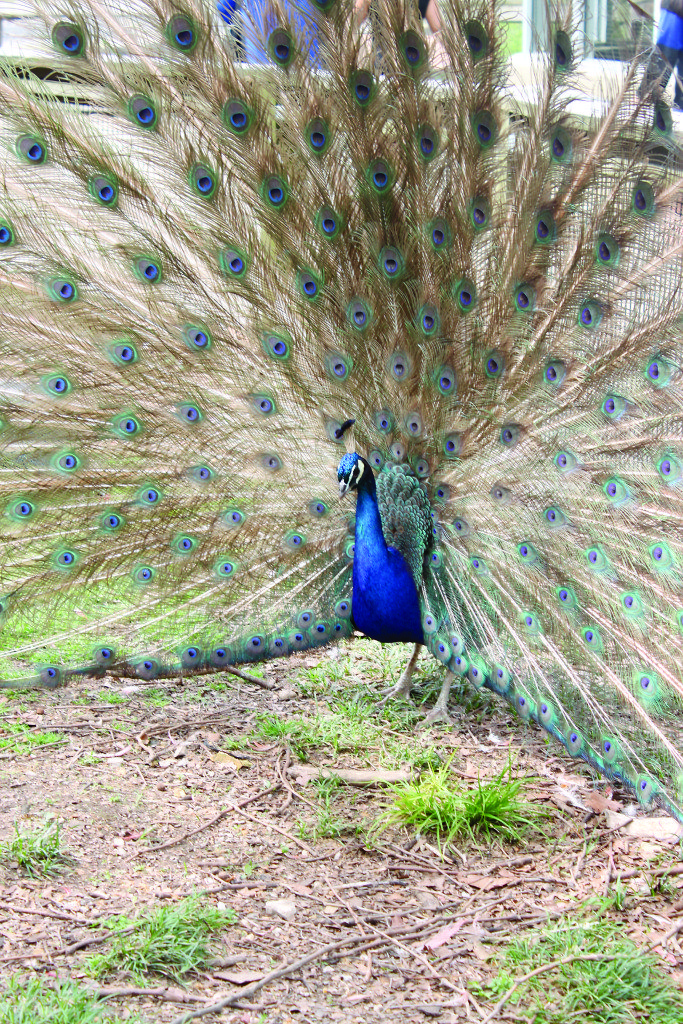
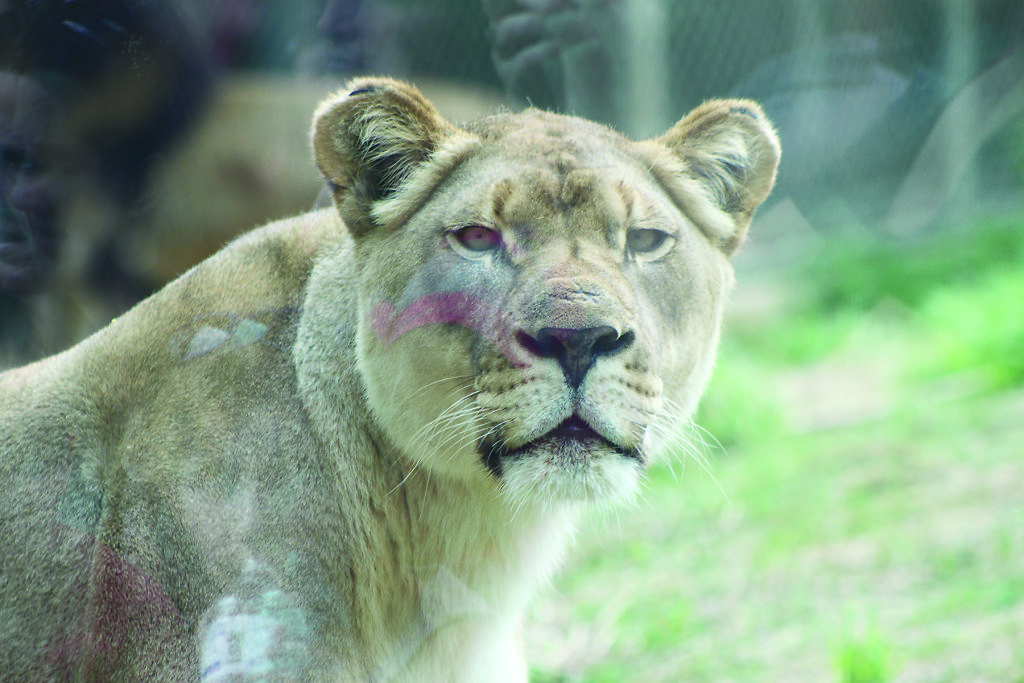
The facility that was originally 50 acres has almost tripled in size over the past 60 years, with over 900 animals and more than 200 species calling the Birmingham Zoo home. Visitors can see animals from almost every continent.
“The mission is to inspire passion for the natural world,” Foster said. “I think that we’re one of the jewels of this community. We continue to reinvest in this facility by maintaining high standards.”
The zoo has enforced these high standards by consistently growing and evolving. It now features many unique exhibits, such as the Junior League of Birmingham-Hugh Kaul Children’s Zoo, launched in 2005 to celebrate the zoo’s 50th anniversary, and the Sea Lion Splash Show, opened in 2007. There’s also a zip lining experience, a giant slide and a special kangaroo experience.
Conservation is also at the forefront of the zoo’s priorities. The zoo’s Passion into Conservation Action Program is a grant initiative that allows employees to submit research projects for funding.
Other conservation efforts include housing and caring for animals that are threatened or endangered.
One example of this is one of the zoo’s newest exhibits. Trails of Africa, introduced in 2011, put the zoo at the forefront of history for elephant conservation when it became the first accredited facility in history to recreate an all-male African elephant herd.
 “Most people will never have the opportunity to visit around the beautiful places of the world, and those places are in need of help,” Foster said. “What we’re doing with all the species here today, from the birds to the elephants, is providing the human care that these animals are going to need to survive.”
Foster emphasized the importance of instilling empathy for these animals and places in children at an early age.
“In their future, they’ll have many questions,” Foster said. “They’ll have to act and vote over the next millennium in order for these species to survive. We’re encouraged that this will happen because of these small encounters with these animals. That’s where it all starts.”
For Bill Foster, the survival of certain species may be a concern, but the survival of the Birmingham Zoo certainly is not. With over 575,000 visitors annually, the zoo is one of the largest tourist attractions in the state.
“Birmingham values this institution, and they’ve shown that by their attendance,” Foster said. “We’ll have another 60 years here very soon.”